Incline treadmill sprint workouts can build power, conditioning, and hill-running strength without depending on outdoor weather or terrain. The best choice combines a meaningful incline range with enough speed, deck space, and stability for hard intervals.
This roundup compares 10 models across different budgets and training styles, from compact folding treadmills to steeper incline machines. Use the guide below to match your sprint goals with the features that matter most.
Best 10 Incline Treadmills for Sprint Training Picks for 2026
Best All-Around Incline Trainer

- 0–16% automatic incline and speeds up to 10 mph
- 400-pound listed capacity with 4.0 HP motor
- Wide, cushioned 47.2-by-17-inch running surface
Best For: Home runners training with hill intervals and automatic incline changes
Best Connected Training Option

- 0–10 mph speed range with 0–10% incline
- 55-by-20-inch deck and KeyFlex cushioning
- iFIT can automate workout speed and incline changes
Best For: Runners who want guided workouts and a longer running deck
Best High-Capacity Value Pick
Cardirun 10% Incline Treadmill

- 400-pound listed capacity and under-45 dB brushless motor
- Three manual incline settings up to 10%
- Cushioned belt with app and voice-control support
Best For: Beginners seeking quiet, cushioned hill conditioning
Best for Steep Hill Simulation

- Five manual incline settings up to 40%
- 15-inch deck height at maximum slope
- Extended handrails and 350-pound listed capacity
Best For: Steep incline walking, climbing, and low-speed leg conditioning
Best Connected Trainer

- 0–10 MPH speed range for home intervals
- 0–10% incline with optional automatic adjustments
- Cushioned deck and iFIT connectivity
Best For: Guided home workouts and moderate incline intervals
Best Steep-Incline Compact Pick
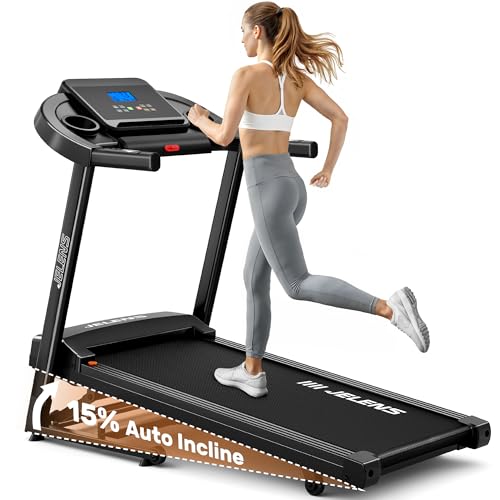
- Automatic incline reaches 15%
- Foldable design with 330-pound capacity
- Quiet motor and Bluetooth app support
Best For: Uphill conditioning and compact home workouts
Best Budget Interval Setup
Abonow Foldable Incline Treadmill
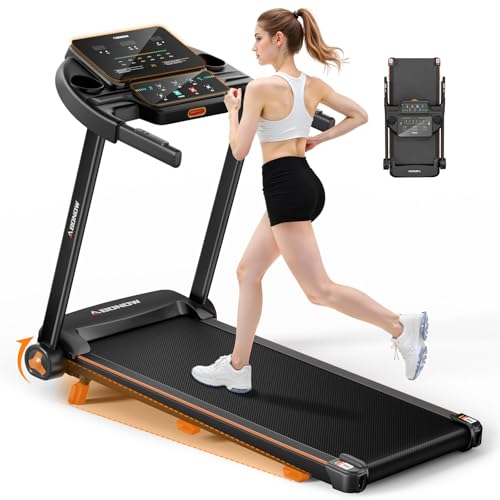
- 8.5 MPH maximum speed with 8% incline
- 12 preset programs for varied workouts
- Foldable design with cushioning and quiet motor
Best For: Compact home incline intervals and general conditioning
Best for Steep Hill Work
LONTEK 40% Incline Walking Pad

- Five manual incline levels up to 40%
- 350-pound capacity with reinforced stability features
- Quiet, foldable design for home use
Best For: Steep hill walking, hiking preparation, and incline conditioning
Best for Hill-Sprint Programming
MERACH MR-T12 Incline Treadmill

- Dedicated Hill Sprints workout mode
- 7.5 MPH maximum speed for moderate intervals
- Wide 16.5-inch belt with 12 shock absorbers
Best For: Programmed hill intervals, jogging, and compact home training
Best for Versatile Incline Intervals

- 12% incline with 12 customizable programs
- Quiet 3HP motor and 300-pound capacity
- Touchscreen controls with impact-reducing cushioning
Best For: Compact home incline workouts, jogging, and moderate intervals
Best All-Around Incline Trainer – THERUN 16% Incline Treadmill
For shoppers comparing incline treadmills for sprint training, the THERUN offers a useful combination of incline range, running space, motor power, and app connectivity. Its 0–16% automatic incline and speeds up to 10 mph support hill intervals, conditioning work, and everyday running.
Best For: Runners who want automatic incline adjustments, a relatively wide belt, and a foldable home treadmill.
Pros:
- Offers 16 incline levels from 0% to 16% and speeds from 0.6 to 10 mph.
- Lists a 4.0 HP motor and a maximum weight recommendation of 400 pounds.
- Provides a 47.2-by-17-inch running surface with multilayer cushioning.
- Supports Bluetooth app connectivity, heart-rate tracking, and 15 programs.
Cons:
- The 47.2-inch deck may feel short for users with a long sprint stride.
- Its maximum speed is lower than the pace some advanced sprinters require.
- It weighs 145 pounds, so moving it still takes some effort despite transport wheels.
The THERUN is a versatile pick for home users who want steep automatic incline work without giving up a folding design. It is better suited to hill intervals and general conditioning than to maximum-speed sprinting.
Best Connected Training Option – NordicTrack T Series 6.5 S
The NordicTrack T Series 6.5 S is worth considering among incline treadmills for sprint training if guided workouts and automatic adjustments matter. It reaches 10 mph and provides a 0–10% incline range, while iFIT can control speed and incline when paired with the required membership.
Best For: Runners who prefer trainer-led workouts, app integrations, and a longer running deck.
Pros:
- Includes digital speed and incline controls with a maximum speed of 10 mph.
- Its 55-by-20-inch deck offers more stride and lateral room than many compact models.
- KeyFlex cushioning is designed to reduce impact during walking and running.
- iFIT features can automatically adjust speed and incline during guided workouts.
Cons:
- The incline tops out at 10%, below the range offered by the other automatic-incline option here.
- Many smart features require an iFIT Train Membership.
- The listed maximum weight recommendation is 300 pounds.
This model makes the most sense for structured, coach-led conditioning and moderate hill work. Its longer deck is helpful for running, but its 10 mph ceiling and 10% incline limit may not satisfy athletes seeking highly demanding sprint simulations.
Best High-Capacity Value Pick – Cardirun 10% Incline Treadmill
The Cardirun combines a 400-pound listed capacity with a quiet brushless motor and three manual incline positions. For incline treadmills for sprint training, it is most practical for controlled hill walks, jogs, and moderate interval sessions rather than all-out sprinting, since its top speed is 7.6 mph.
Best For: Beginners and home users who prioritize capacity, low noise, cushioning, and simple incline adjustment.
Pros:
- Uses a 3.5 HP brushless motor rated for operation under 45 dB.
- Supports 0%, 3%, and 10% manual incline settings.
- Includes a seven-layer belt, eight shock absorbers, and six soft cushions.
- Offers app compatibility, voice control, 12 preset programs, and a pulse sensor.
Cons:
- The 7.6 mph maximum speed limits sprint-focused training.
- Its 16-by-40-inch running area is shorter and narrower than the decks on some running treadmills.
- Incline changes are manual rather than automatic.
Cardirun is a sensible choice when quiet operation and a high listed capacity matter more than fast running. Its incline and cushioning can support foundational conditioning, but faster athletes may outgrow its speed range.
Best for Steep Hill Simulation – CURSOR 40% Incline Treadmill
The CURSOR stands apart from other incline treadmills for sprint training with a steep 40% maximum incline and a deck that rises 15 inches at the highest setting. It is designed primarily for walking, stair-style climbing, and light jogging, not high-speed sprinting.
Best For: Users focused on steep hill conditioning, incline walking, and lower-speed leg-strength work.
Pros:
- Provides five manual incline settings from 0% to 40%.
- Extended 51-inch handrails and a 38.6-by-15.4-inch belt support upright incline walking.
- Lists a 350-pound maximum weight recommendation and reinforced anti-shake support.
- Seven-layer cushioning and eight silicone shock absorbers help soften foot impact.
Cons:
- The 6.2 mph motor speed noted in the product description is not intended for true sprinting.
- Incline adjustments are manual.
- The belt is narrower than the running surfaces on the THERUN and NordicTrack models.
The CURSOR is the specialist option for steep elevation work. Its 40% incline can create a demanding climbing stimulus, but buyers seeking sprint-speed intervals should choose a faster treadmill instead.
Best Connected Trainer – NordicTrack T Series
The NordicTrack T Series is a practical option among incline treadmills for sprint training when guided workouts and app connectivity matter. Its 0–10 MPH speed range supports walking, jogging, and shorter sprint efforts, while the 0–10% incline range adds hill work. Keep in mind that the 55-inch deck and 10 MPH ceiling are better suited to moderate home training than unrestricted all-out sprinting.
Best For: Home users who want connected workouts, automatic adjustments, and moderate speed-and-incline interval training.
Pros:
- Offers speeds up to 10 MPH and incline settings from 0–10%.
- iFIT can automatically adjust speed and incline during guided workouts; membership is required.
- KeyFlex cushioning is designed to reduce impact during walking and running.
- Supports Bluetooth connectivity and syncing with select fitness apps.
Cons:
- The 10 MPH maximum may limit advanced sprint training.
- The 55-inch-by-18-inch deck is less spacious than many dedicated running treadmills.
- Several smart features require an iFIT Train Membership.
Choose this model if structured, adaptive training is more important than maximum sprint speed. It combines useful incline control with a compact home design, but faster runners may want a treadmill with a higher speed ceiling and longer deck.
Best Steep-Incline Compact Pick – JELENS 15% Incline Treadmill
The JELENS stands out among incline treadmills for sprint training for its automatic 0–15% incline range and compact, foldable build. However, its 7.5 MPH maximum speed makes it more appropriate for incline intervals, hill walking, and controlled uphill running than true top-speed sprint work.
Best For: Users prioritizing steep incline workouts, space-saving storage, and quiet walking or running sessions.
Pros:
- Provides 15 automatic incline levels for simulated uphill training.
- Supports speeds from 0.6 to 7.5 MPH and users up to 330 pounds.
- Foldable design, transport wheels, and compact storage footprint suit smaller rooms.
- Bluetooth app connectivity and pulse sensors help track workout data.
Cons:
- The 7.5 MPH maximum is restrictive for serious sprint training.
- The 43.31-inch running belt is relatively short for running at speed.
- Its emphasis on steep incline work may not suit athletes seeking flat, maximal-velocity intervals.
This is a sensible choice for hill-focused conditioning rather than conventional sprint practice. Its high incline and foldable frame are useful in a home gym, but runners should look elsewhere if stride length and high-speed running are priorities.
Best Budget Interval Setup – Abonow Foldable Incline Treadmill
The Abonow is one of the more interval-friendly incline treadmills for sprint training in this group, offering an 8.5 MPH maximum speed, 8% incline, and 12 preset programs. Its compact 41.34-inch belt can handle walking, jogging, and controlled sprint intervals, although its shorter running surface may feel limiting for taller users or full-speed work.
Best For: Home users who want preset incline intervals, quiet operation, and a foldable treadmill for general conditioning.
Pros:
- Combines an 8.5 MPH top speed with an 8% incline for varied intervals.
- Includes 12 preset workout programs for structured sessions.
- 3 HP brushless motor operates below 45 dB and supports up to 280 pounds.
- Dual-layer cushioning and six shock absorbers are designed to reduce joint impact.
Cons:
- The 41.34-inch belt may be short for long-stride sprinting.
- Its 8.5 MPH maximum is below the needs of advanced sprinters.
- The incline is manual rather than automatically adjusted.
The Abonow offers a useful balance of incline, preset programming, and compact storage for recreational interval training. It is best viewed as a home conditioning treadmill, not a substitute for a longer, faster performance model.
Best for Steep Hill Work – LONTEK 40% Incline Walking Pad
If your priority is steep elevation work, the LONTEK is one of the more specialized incline treadmills for sprint training and hill-focused conditioning. Its five manual incline levels reach 40%, while the 0.6–6.2 MPH speed range is better suited to uphill walking, hiking preparation, and light jogging than all-out sprinting.
Best For: Home users who want challenging hill walks and incline conditioning in a compact, foldable treadmill.
Pros:
- Five manual incline settings, including a demanding 40% maximum.
- 350-pound capacity, reinforced support feet, and eight silicone pads improve stability.
- 51-inch dual handrails and a 38.6-by-15.4-inch belt accommodate taller users more comfortably.
- Quiet 3HP brushless motor operates below 45 dB and folds for storage.
Cons:
- Its 6.2 MPH top speed limits suitability for true sprint workouts.
- The 15.4-inch belt width is relatively compact for faster running.
- Incline adjustments are manual rather than motorized.
The LONTEK stands out for maximum incline rather than maximum speed. Choose it when steep hill simulation, stability, and space-saving storage matter more than conventional sprint intervals.
Best for Hill-Sprint Programming – MERACH MR-T12 Incline Treadmill
The MERACH MR-T12 offers a useful middle ground for shoppers comparing incline treadmills for sprint training. It combines a 7.5 MPH maximum speed with three manual incline levels and dedicated Hill Sprints, Power Hiking, and Steady-State Climb modes, making it more interval-oriented than many compact walking machines.
Best For: Home exercisers who want programmed hill workouts, a wider belt, and moderate-speed running capability.
Pros:
- Includes a Hill Sprints mode alongside Power Hiking and Steady-State Climb programs.
- 7.5 MPH top speed supports jogging and moderate interval work.
- 16.5-by-42.5-inch belt provides useful width for a compact treadmill.
- Seven-layer belt and 12 shock absorbers add cushioning, while the frame supports up to 300 pounds.
Cons:
- Its manual incline has only three adjustable levels.
- A 7.5 MPH maximum may not satisfy advanced sprinters.
- The 42.5-inch belt length may feel short for long, fast strides.
For home hill intervals, the MERACH is the most training-focused option in this group because of its dedicated workout modes and higher speed ceiling. It remains a compact machine, so serious sprinters should assess belt length and top speed carefully.
Best for Versatile Incline Intervals – Abonow 12% Incline Treadmill
The Abonow 12% Incline Treadmill is a practical choice among incline treadmills for sprint training when you want simple program variety in a small home setup. Its 12 programs, 12% incline, and 6.25 MPH top speed support walking, jogging, and shorter, moderate-paced sprint intervals.
Best For: Space-conscious users who want customizable incline workouts, touchscreen controls, and basic interval flexibility.
Pros:
- Offers a 12% incline and 12 customizable programs.
- Quiet 3HP brushless drive runs below 45 dB and supports up to 300 pounds.
- Touchscreen display shows speed, time, distance, calories, and related workout data.
- Six shock absorbers and dual-layer cushioning help reduce impact.
Cons:
- The 6.25 MPH maximum speed is modest for dedicated sprint training.
- The 37-by-15.2-inch belt is compact for fast running.
- A 12% incline is less aggressive than the LONTEK’s 40% setting.
The Abonow is best viewed as a versatile compact treadmill rather than a high-speed sprint platform. Its programs, touchscreen, quiet motor, and cushioning make it suitable for general incline intervals and everyday home cardio.
How We Picked the Best Incline Treadmills for Sprint Training
We focused on the specifications that have the greatest effect on sprint-style treadmill workouts: maximum speed, incline range, running-surface dimensions, stated weight capacity, frame stability, controls, and storage design. We also considered whether each treadmill is better suited to true running intervals, incline power walking, hill conditioning, or general home cardio.
Because manufacturer specifications and real-world performance can differ, treat advertised horsepower, speed, and capacity as starting points rather than guarantees. Verify the current listing, warranty, assembly requirements, and return policy before ordering.
Quick Comparison
| Feature | Why It Matters | What to Look For |
|---|---|---|
| Maximum speed | Determines whether the machine supports fast intervals | At least 8–10 mph for many sprint-focused users |
| Incline range | Changes workload and simulates hills | 0–15% for versatile training; higher grades for hill conditioning |
| Running deck | Provides room for a safe stride | A longer, wider belt for taller or faster runners |
| Frame and capacity | Reduces movement during acceleration | A sturdy frame with a capacity comfortably above your body weight |
| Folding design | Helps fit the treadmill into shared spaces | Easy folding, transport wheels, and adequate clearance |
Key Buying Factors for Incline Treadmills for Sprint Training
Speed and Acceleration
Check both the advertised top speed and how easily the treadmill changes speed. A machine may list a high maximum but still feel unsuitable for repeated sprints if transitions are slow or controls are difficult to reach. Handrail controls, preset interval buttons, or quick-speed keys can make workouts safer and more consistent.
Incline Capability
A 10–15% incline is useful for hill repeats, strength-focused intervals, and reducing reliance on top speed. Treadmills advertising 40% grades are more specialized: they can be excellent for steep walking and uphill conditioning, but they may not deliver the deck length or speed needed for flat-out running.
Deck Size and Stability
Sprinters need enough belt length to avoid feeling restricted, especially when increasing pace or using an incline. A wide, firm deck and substantial frame are also important because hard efforts create more impact and movement than casual walking. Choose a model with a conservative user-weight margin rather than operating at its stated limit.
Noise, Maintenance, and Safety
Lubrication needs, motor noise, emergency-stop functions, handrail design, and ventilation all matter in a home gym. Leave clearance around the treadmill, use a level surface, and follow the manufacturer’s instructions for incline and speed changes. If you are new to sprint training, begin with controlled intervals and increase intensity gradually.
Who Should Buy Which Incline Treadmills for Sprint Training?
Choose a versatile 0–15% model if you want one treadmill for walking, regular running, hill repeats, and occasional sprint intervals. These machines generally offer the best balance for mixed home use.
Choose a steep-incline model if your priority is uphill conditioning, loaded walking, or low-speed efforts that emphasize climbing strength. Confirm that its speed and deck dimensions meet your needs before treating it as a sprint treadmill.
Choose a compact folding model if storage is the main constraint. Measure the folded and operating footprint, but do not sacrifice belt length or frame stability if frequent sprint work is the goal.
Choose a heavier-duty option if you are a larger runner, train often, or expect multiple household users. Extra capacity and a stronger frame can improve confidence, durability, and workout consistency.