The right handlebar can change how a gravel bike feels on fast dirt, rough descents, long tours, and mixed-surface adventures. Width, flare, material, and fit all affect control, comfort, and cockpit setup.
We’ve gathered 10 bike handlebars for gravel bikes across carbon, aluminum, flared, and integrated designs so you can compare practical options for your riding style and budget.
Best 10 Bike Handlebars for Gravel Bikes Picks for 2026
Adventure Control Pick
PNW Components Coast Gravel Handlebar Gen 2

- 20° flare adds leverage on rough terrain
- 65mm reach and 105mm drop support long rides
- Durable aluminum with multiple width options
Best For: Gravel riding, bikepacking, and all-day adventures
Touring Flexibility Pick
PRO External Swing Angle Gravel Handlebar

- Swing-angle design offers varied riding postures
- 470mm middle width expands to 600mm
- 6061 aluminum construction with 31.8mm clamp
Best For: Long-distance touring and multi-road riding
Lightweight Carbon Pick
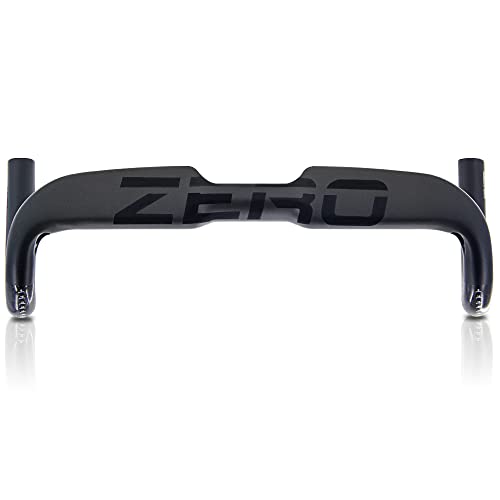
- Approximate weight of 200–255g
- Internal four-hole cable routing
- 400mm, 420mm, and 440mm width choices
Best For: Lightweight, road-oriented gravel and racing builds
Compact Flare Pick
Ritchey Comp Corralitos Gravel Handlebar

- Compact 52mm reach with 67.5mm drop
- 24° flare and 180mm-long drops add control
- 15mm rise and anatomical bend support comfort
Best For: Mixed gravel, commuting, and riders wanting an easy-to-reach drop
Integrated Carbon Upgrade
RXL SL Integrated Gravel Handlebar

- T800 carbon integrated bar and stem
- 400–440mm widths; 90–120mm stems
- Two internal-routing options
Best For: Riders wanting a lightweight, aerodynamic integrated cockpit
All-Day Gravel Comfort
Ritchey Comp VentureMax Handlebar

- 24-degree flare with Bio-bend drops
- Flattened ergonomic tops for palm support
- Double-butted 6061 aluminum construction
Best For: Long gravel rides and loaded bikepacking
Lightweight Flared Carbon

- Approximately 210g in T800 carbon
- 15-degree flare for control and comfort
- Four-hole internal cable routing
Best For: Weight-conscious riders wanting a wide carbon gravel cockpit
Compact Control
- 44cm alloy bar with compact reach and drop
- 24-degree flare supports rough-surface control
- Works with select stems, Di2 junction boxes, and clip-ons
Best For: Riders seeking a compact, flared alloy bar for gravel and commuting
Best Heavy-Duty Pick
RXL SL Carbon Gravel Handlebar
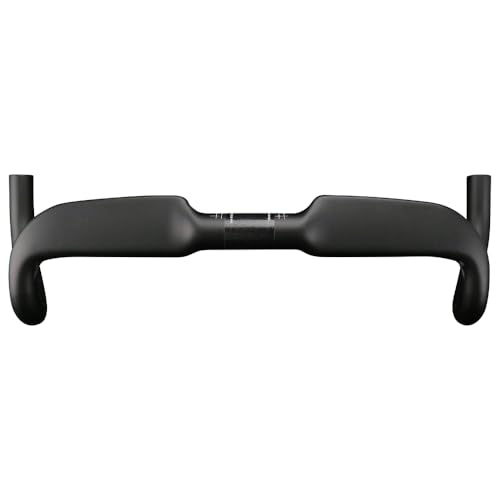
- Carbon-fiber construction at about 220g
- Internal four-hole routing for brake lines
- Available in 458, 478, and 498mm widths
Best For: Riders wanting a lightweight carbon handlebar for gravel or road bikes
Best Simple Pick
PRO External Swing Angle Handlebar
- 510mm center distance and 640mm maximum width
- 6061 aluminum construction weighs 583.5g
- External swing angle offers varied riding positions
Best For: Touring riders who value multiple hand positions and a wide cockpit
Adventure Control Pick – PNW Components Coast Gravel Handlebar Gen 2
The PNW Components Coast Gravel Handlebar Gen 2 is a strong all-around option among bike handlebars for gravel bikes. Its 20-degree flare adds leverage and stability on loose or uneven terrain, while the 65mm reach and 105mm drop suit long-distance gravel riding.
Best For: Gravel riders and bikepackers who want a durable alloy bar with a pronounced flare and multiple width options.
Pros:
- 20-degree flare improves control on rough, loose, or steep surfaces.
- 65mm reach and 105mm drop balance comfort with performance.
- Aluminum construction is suited to gravel, bikepacking, and everyday use.
- Available in multiple widths to help tailor the cockpit.
Cons:
- At 324g, it is not the lightest option in this roundup.
- The pronounced flare may not suit riders seeking a traditional road-bar shape.
Choose this bar when stability and adventure-oriented comfort matter more than minimizing weight. Confirm the desired width before ordering, since the available sizing can significantly change the bike’s handling feel.
Touring Flexibility Pick – PRO External Swing Angle Gravel Handlebar
This aluminum alloy bar offers an unusual way to vary your riding posture, making it a flexible choice among bike handlebars for gravel bikes. Its external swing-angle design spans from a 470mm middle width to a 600mm maximum width and is intended for long-distance and multi-road touring.
Best For: Touring riders who want multiple hand and riding positions from one handlebar.
Pros:
- External swing-angle design supports varied riding postures.
- Wide 470mm-to-600mm dimensions provide substantial position flexibility.
- 6061 aluminum alloy offers a strong, reliable construction.
- 31.8mm clamp diameter fits many common stems and accessories.
Cons:
- Its listed 521.5g weight is relatively high.
- The unusual shape may require more careful fit and size checking.
- Compatibility depends on the specified 31.8mm clamp and 22.2mm handle diameter.
This is a specialized option rather than a conventional flared drop bar. It makes the most sense for riders who prioritize adjustable posture and touring versatility, provided the dimensions match their bike and controls.
Lightweight Carbon Pick – RXL SL Carbon Drop Bar
The RXL SL carbon drop bar is a lightweight option for riders comparing bike handlebars for gravel bikes and road-oriented builds. It uses carbon fiber construction, internal routing, and a 119mm drop with a 77mm reach; widths are offered in 400mm, 420mm, and 440mm.
Best For: Riders seeking a light carbon drop bar with internal cable routing and a road-style fit.
Pros:
- Carbon fiber construction keeps the listed weight around 200–255g.
- Internal four-hole routing helps protect brake lines and reduce exposed wear.
- Multiple widths accommodate different cockpit preferences.
- Includes a one-year warranty according to the supplied details.
Cons:
- The 77mm reach and 119mm drop may feel less compact than gravel-specific bars.
- Installation requires attention to the specified 4 Nm tightening torque.
- The supplied bike-type listing emphasizes road, racing, and city bikes rather than gravel specifically.
This bar is worth considering when low weight and clean internal routing are priorities. Because carbon installation requires torque accuracy, use suitable manual tools and verify the fit before committing to the purchase.
Compact Flare Pick – Ritchey Comp Corralitos Gravel Handlebar
The Ritchey Comp Corralitos is a compact alloy choice among bike handlebars for gravel bikes, combining a short 52mm reach with a 67.5mm drop and 15mm rise. Its 24-degree drop flare, 180mm-long drops, and anatomical bend emphasize control and comfortable hand positioning on rough surfaces.
Best For: Gravel and commuting riders who want compact reach, wide flared drops, and multiple off-road hand positions.
Pros:
- Compact 52mm reach helps keep the drops within easy reach.
- 24-degree flare and long 180mm drops provide leverage and control.
- 15mm rise and anatomical bend support comfortable hand positions.
- Compatible with clip-on aero bars and specified Ritchey and Shimano components.
Cons:
- Only the 46cm width is specified in the supplied product information.
- At 350g, it is heavier than the listed carbon option.
- The wide flare may feel different from a conventional road handlebar.
For riders who find traditional drops too long or difficult to reach, the Corralitos offers a particularly compact layout without giving up flare. Its 46cm width and pronounced drops are best suited to riders who have confirmed that this geometry fits their preferred posture and handling.
Integrated Carbon Upgrade – RXL SL Integrated Gravel Handlebar
For riders shopping for bike handlebars for gravel bikes, this RXL SL integrated model combines a carbon handlebar and stem in one streamlined unit. It offers multiple width and stem-length choices, internal routing options, and a built-in speedometer mount provision.
Best For: Riders seeking an aerodynamic, lightweight integrated cockpit for gravel or road-bike competition use.
Pros:
- T800 carbon-fiber construction weighs approximately 360g and is designed for impact resistance and vibration reduction.
- Available in 400, 420, and 440mm widths with 90–120mm integrated stem lengths.
- Two internal-routing methods help protect brake lines and maintain a clean appearance.
- Preset mounting screws accommodate a speedometer holder.
Cons:
- The integrated design limits separate adjustment of the bar and stem.
- Carbon installation requires careful tightening to the specified 4Nm torque.
- Speedometer holder is not included.
This is a performance-focused choice when you want a clean, race-oriented cockpit and already know the width and stem length you need. Confirm compatibility and use proper carbon-safe installation practices before riding.
All-Day Gravel Comfort – Ritchey Comp VentureMax Handlebar
The Ritchey Comp VentureMax is a practical option among bike handlebars for gravel bikes, especially for riders who value multiple hand positions and a stable, comfortable feel. Its flared drops, flattened tops, and durable 6061 aluminum construction suit long mixed-surface rides.
Best For: Gravel riders and bikepackers who want a roomy cockpit, comfortable hand positions, and alloy durability.
Pros:
- 24-degree flare and Bio-bend drops provide confident control and varied hand positions.
- Flattened 38×22.5mm tops create a broader palm-supporting perch.
- Double-butted 6061 aluminum offers durable construction at a listed 320g in 42cm.
- Internal routing supports electronic shifting setups compatible with the Shimano EW-RS910 Di2 junction box.
Cons:
- The supplied version is 44cm, measured at the initial bend rather than the hood.
- At 320g in 42cm, it is not positioned as an ultralight carbon option.
- The wide flare may feel less compact for riders who prefer a narrow cockpit.
Choose this bar if stability, comfort, and alloy toughness matter more than minimizing weight. Pay close attention to the manufacturer’s width measurement when comparing it with other gravel handlebars.
Lightweight Flared Carbon – RXL SL 478mm Gravel Handlebar
This RXL SL model targets riders comparing bike handlebars for gravel bikes who want low weight, moderate flare, and internal cable routing. Its T800 carbon construction is listed at approximately 210g, with 458, 478, and 498mm width options and a standard 31.8mm clamp.
Best For: Weight-conscious gravel riders seeking a wide carbon bar with a clean cockpit and added vibration damping.
Pros:
- Approximately 210g, helping reduce cockpit weight compared with similarly sized aluminum handlebars.
- T800 carbon construction is designed to provide impact resistance and shock absorption.
- 15-degree flare supports a more neutral wrist position and stable handling.
- Four-hole internal routing hides brake and shift cables for a streamlined setup.
Cons:
- The 458–498mm width range may be too wide for riders seeking a compact road-style cockpit.
- Carbon installation requires a 4Nm torque specification and careful fitting.
- The supplied notes identify a 31.8mm clamp, so compatibility must be checked before purchase.
This bar makes sense for riders prioritizing low weight and a wide, confidence-oriented gravel stance. Verify the desired width, clamp compatibility, and installation torque before committing to the upgrade.
Compact Control – Ritchey Comp Corralitos
The Ritchey Comp Corralitos is a practical choice for riders comparing bike handlebars for gravel bikes and wanting compact dimensions with added flare. Its 44cm width, short reach, and shallow drop can make the drops easier to access, while the flared shape adds control on rough surfaces.
Best For: Gravel riders and commuters who want a compact alloy handlebar with comfortable drop access and broad compatibility.
Pros:
- Compact 52mm reach and 67.5mm drop for easier hand access.
- 24-degree drop flare and 180mm drops provide leverage and control.
- Compatible with select Di2 junction boxes, the Ritchey C260 stem, and clip-on aero bars.
Cons:
- The 44cm width may feel narrow for riders who prefer a wider cockpit.
- At 12.8 ounces, it is an alloy option rather than an ultralight carbon bar.
Choose this bar if compact fit and predictable off-road control matter more than minimizing weight. Its anatomical bend and rise also suit riders who want practical comfort for mixed-surface riding.
Best Heavy-Duty Pick – RXL SL Carbon Gravel Handlebar
The RXL SL carbon handlebar is aimed at riders shopping for bike handlebars for gravel bikes who prioritize low weight and internal routing. It uses carbon fiber, weighs approximately 220g, and is offered in several widths with an outward-angle design for gravel and road use.
Best For: Gravel and road riders wanting a lightweight carbon bar with internal brake-line routing and multiple width choices.
Pros:
- Carbon-fiber construction weighs approximately 220g.
- Internal four-hole routing helps protect brake lines and reduce exterior clutter.
- Available in 458, 478, and 498mm widths, with a 110mm drop and 78mm reach.
Cons:
- Installation requires careful tightening to the specified 4 Nm torque.
- The supplied notes do not identify a specific flare measurement.
- Width options are substantially wider than a conventional 44cm bar.
This is a compelling option when carbon construction and a clean cockpit are priorities. Confirm the desired width and follow the stated torque guidance during installation.
Best Simple Pick – PRO External Swing Angle Handlebar
The PRO External Swing Angle handlebar is a distinctive option among bike handlebars for gravel bikes, combining a 510mm center distance with a 640mm maximum width. Its external swing-angle design is intended to let touring riders change posture during long rides without adding a second handlebar.
Best For: Long-distance touring and gravel riders who want multiple hand positions from a wide aluminum cockpit.
Pros:
- External swing-angle design supports changes in riding posture.
- Wide 640mm maximum span can provide substantial leverage and position flexibility.
- 6061 aluminum construction and 31.8mm clamp fit most bike accessories.
Cons:
- At 583.5g, it is considerably heavier than the listed carbon option.
- The 640mm maximum width may be too wide for some riders or riding environments.
- Its 31.8mm clamp and 22.2mm grip diameter should be checked against existing components.
Consider this bar for endurance-focused riding where posture changes and a broad cockpit are more important than low weight. Measure your bike and accessories carefully before ordering.
How We Picked These Bike Handlebars for Gravel Bikes
We focused on handlebars suited to gravel, touring, and mixed-surface riding, then compared the characteristics that matter most in real-world use: width choices, flare, reach, drop, material, clamp compatibility, and intended riding position. The selection includes conventional drop bars, carbon models, integrated designs, and wider alloy options.
Because specifications and fit can vary between sizes, always confirm the manufacturer’s published measurements before ordering. A bar’s stated width may be measured center-to-center or outside-to-outside, and integrated handlebars require especially careful compatibility checks.
Quick Comparison
| Handlebar type | Best suited to | Main advantage | Watch for |
|---|---|---|---|
| Flared alloy drop bar | General gravel riding | Stable handling and durability | More weight than carbon |
| Carbon drop bar | Weight-conscious riders | Low weight and vibration damping | Torque and installation requirements |
| Integrated handlebar | Clean, performance-focused cockpits | Streamlined cable routing | Limited adjustment and compatibility |
| Wide touring bar | Loaded bikes and long rides | Extra leverage and control | Check frame, bag, and cable clearance |
Key Buying Factors for Bike Handlebars for Gravel Bikes
Width and Flare
A wider bar can improve leverage and stability on loose terrain, while flare commonly adds control in the drops without making the hoods excessively wide. However, very wide handlebars may feel awkward on narrow trails and can interfere with bike bags or indoor storage. Choose based on shoulder width, riding position, and terrain rather than assuming wider is always better.
Reach, Drop, and Fit
Reach affects how far you stretch to the controls, while drop determines the distance between the hoods and drops. Riders who spend long hours on mixed surfaces often prefer a moderate reach and manageable drop. Compare these measurements with your current bar before changing sizes.
Material and Construction
Aluminum is generally a practical choice for durability, value, and easier replacement. Carbon can reduce weight and soften some high-frequency vibration, but it must be installed with the correct torque and inspected for damage. Integrated carbon bars also limit independent adjustment of the stem and handlebar.
Compatibility
Confirm the clamp diameter, brake and shift system, stem length, cable-routing design, and accessory-mount requirements. A standard 31.8 mm clamp is common, but internal routing and integrated cockpits may require brand-specific parts or additional installation work.
Who Should Buy Which Bike Handlebars for Gravel Bikes?
Choose a flared alloy bar if you want dependable control, straightforward installation, and good value for everyday gravel or touring. Choose carbon if reducing cockpit weight and improving vibration comfort are high priorities and you are comfortable following precise installation procedures. Choose an integrated bar for a tidy, performance-oriented cockpit when its fixed dimensions match your fit. Choose a wider touring-oriented model if you regularly carry luggage, ride rougher surfaces, or want additional steering leverage.
Before buying, measure your current handlebar, note your preferred hand positions, and verify every component specification. Correct fit is more important than material or appearance alone.