Winter riding demands more than a typical all-season tire. Snow, ice, slush, and cold pavement can reduce grip quickly, so the right tread, studs, casing, and tire width matter.
These 10 winter-ready options cover everything from narrow studded commuter tires to wide fat-bike replacements. Use the guide below to match tire design and fit with your routes, bike, and weather conditions.
Best 10 Bike Tires for Winter Picks for 2026
Best Narrow Studded Road Tire

- Studded tread for snow and ice
- Kevlar Guard protection
- 50–95 PSI range with reflex features
Best For: Road-bike winter commuting on snowy or icy routes
Best Wide Mountain-Bike Ice Tire
Schwalbe Ice Spiker Pro 27.5 x 2.25

- Wide 27.5 x 2.25-inch format
- Directional tread for winter control
- Designed for mountain-bike grip and reliability
Best For: Wide-clearance 27.5-inch mountain bikes
Best 26-Inch Studded Commuter Tire

- 168 carbide-tip studs
- Aggressive winter tread
- 30 TPI wire-bead construction
Best For: 26-inch mountain and commuter bikes
Best 29er Studded Tire
Schwalbe Ice Spiker Pro 29 x 2.25

- 402 steel studs
- Wide 57-622 winter format
- 500 g listed folding-tire weight
Best For: 29-inch bikes used regularly on icy winter routes
Deep-Snow Traction Pick

- Steel studs and deep tread for snow and ice
- 20x4.0 and 26x4.0 size options
- Includes two tires and two tubes
Best For: Fat-bike riders on snowy, icy, sandy, or rugged trails
Long-Wear Winter Option
Schwalbe Marathon Plus 26-Inch Tyre

- Studded tread for winter riding
- 26 x 2.00 mountain-bike format
- Two-year manufacturer warranty listed
Best For: 26-inch mountain-bike riders needing one studded replacement tyre
Versatile Trail Value
Schwinn 26-Inch All-Terrain Tire
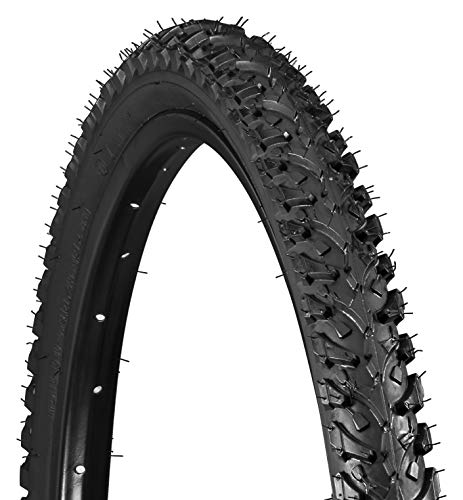
- Blocky knobs for loose and rocky terrain
- Puncture guard helps resist flats
- Fits listed 19mm-to-29mm rim widths
Best For: 26-inch mountain-bike trail riding without a dedicated studded tire
Studded Commuter Pick

- Winter Compound for cold-weather riding
- KevlarGuard Reflex sidewall and reflective lines
- 700 x 40C clincher format
Best For: Compatible 700 x 40C winter bike setups
26-Inch Fat-Bike Kit

- Two tires, two tubes, and two tire levers included
- Oversized convex-knob tread for rough terrain
- 266.6-pound maximum load listed
Best For: 26-inch fat e-bikes and trail-focused riders
Compact Fat-Bike Kit

- Two tires, two tubes, and two tire levers included
- Knobby tread for trails and uneven terrain
- Designed for 20-inch fat-bike wheels
Best For: Compact 20-inch fat e-bikes and off-road riding
Best Narrow Studded Road Tire – Schwalbe Winter 700C x 30C
For riders looking for bike tires for winter on a road bike, the Schwalbe Winter combines a 700C x 30C format with a studded tread designed for snow and ice. Its Kevlar Guard, reflex features, and 50–95 PSI range add practical commuting versatility.
Best For: Road-bike riders who need a relatively narrow, studded tire for snowy or icy winter routes.
Pros:
- Studded tread is designed for snow and ice.
- Kevlar Guard construction offers added protection.
- Reflex detailing and a 50–95 PSI range suit winter commuting.
Cons:
- Its 30 mm width is less suited to riders seeking maximum flotation.
- The listed 805 g weight may feel substantial compared with lightweight road tires.
This is a focused winter option for compatible 28-inch road bikes. Confirm frame and rim clearance before buying, especially if you typically use narrower tires.
Best Wide Mountain-Bike Ice Tire – Schwalbe Ice Spiker Pro 27.5 x 2.25
The Schwalbe Ice Spiker Pro is a wide 27.5 x 2.25-inch choice for riders comparing bike tires for winter on mountain bikes. Its directional tread and stated grip and reliability make it suited to demanding winter riding where tire width matters.
Best For: Mountain-bike riders seeking a wide, directional tire for winter trails and variable surfaces.
Pros:
- Wide 2.25-inch profile provides a substantial contact footprint.
- Directional tread is suited to controlled winter riding.
- Designed for mountain bikes and described as offering strong grip and reliability.
Cons:
- The 2 kg listed weight is relatively heavy.
- Compatibility is limited to bikes with 27.5-inch wheels and sufficient clearance.
- The supplied details do not specify a stud count.
Choose this model when stability and a broad mountain-bike format take priority. Check your bike’s tire clearance and wheel size before ordering.
Best 26-Inch Studded Commuter Tire – Kenda Klondike K946 26 x 1.95
The Kenda Klondike K946 is a practical 26 x 1.95-inch option among bike tires for winter, with 168 carbide-tip studs and an aggressive tread pattern. It is built for mountain and commuter bikes facing snow and icy surfaces.
Best For: 26-inch mountain-bike and commuter-bike riders who want studded traction for winter streets or trails.
Pros:
- 168 reinforced carbide-tip studs target icy-surface stability.
- Aggressive tread pattern is optimized for winter riding.
- 30 TPI construction and a wire bead support a durable setup.
- Works with a range of mountain and commuter bikes using 26-inch wheels.
Cons:
- The 65 PSI maximum is lower than some road-oriented tire ranges.
- Its 26-inch fit excludes newer bikes using other wheel sizes.
With its moderate width and extensive stud count, the Klondike K946 balances everyday winter utility with trail capability. Verify your rim size and frame clearance before purchase.
Best 29er Studded Tire – Schwalbe Ice Spiker Pro 29 x 2.25
For 29-inch mountain bikes or compatible builds, this Schwalbe Ice Spiker Pro offers a wide 57-622 format with 402 steel studs. It is a strong contender among bike tires for winter when extensive stud coverage and a directional tread are priorities.
Best For: Riders with 29-inch wheels who need extensive stud coverage for winter riding.
Pros:
- 402 steel studs provide extensive stud coverage.
- Wide 29 x 2.25-inch size supports a substantial winter footprint.
- Directional tread and winter compound are tailored to cold-weather use.
- Folding-tire construction is listed at 500 g.
Cons:
- The 2.25-inch width requires adequate frame and fork clearance.
- Compatibility is limited to 29-inch/57-622 wheel setups.
- Studded tires may be more specialized than needed for mostly clear pavement.
This model is best suited to riders who regularly encounter icy conditions and have a compatible 29-inch bike. Confirm the 57-622 sizing and available clearance before ordering.
Deep-Snow Traction Pick – Studded Fat Bike Winter Tires
For riders seeking bike tires for winter conditions, these 4-inch studded fat-bike tires emphasize grip on snow, ice, sand, and uneven off-road terrain. Their deep tread and steel studs are aimed at improving traction when surfaces become slippery or loose.
Best For: Fat-bike riders tackling snowy trails, icy paths, sand, or mixed off-road terrain.
Pros:
- Deep, aggressive tread works with steel studs for traction on snow and ice.
- Available in both 20×4.0 and 26×4.0 sizes for compatible fat bikes.
- Includes two tires and two tubes, with a listed one-year warranty.
Cons:
- The wide 4-inch format is intended for fat-bike rims rather than standard bicycles.
- Studded, aggressive tires may be more specialized than needed for ordinary paved commuting.
This is the most purpose-built option here for severe winter and loose-surface riding. Confirm your wheel size and rim compatibility before installation, and follow the supplied maintenance guidance.
Long-Wear Winter Option – Schwalbe Marathon Plus 26-Inch Tyre
The Schwalbe Marathon Plus is a 26 x 2.00 clincher with a listed studded tread, making it a practical candidate for riders comparing bike tires for winter use on a mountain bike. Its narrower profile suits riders who do not need a wide fat-bike tire.
Best For: 26-inch mountain-bike riders wanting a studded, 2-inch replacement tyre.
Pros:
- Studded tread is suited to winter riding conditions.
- Designed for a 26-inch wheel with a 2.00-inch width.
- Includes a wire-bead tire and carries a listed two-year manufacturer warranty.
Cons:
- Only one tire is included.
- Compatibility should be checked carefully because the listing identifies it as a clincher for a 26-inch mountain bike.
Choose this model when you need a single replacement for a compatible 26-inch setup and prefer a studded tread without moving to a 4-inch fat-bike format. Verify the exact wheel and rim requirements before ordering.
Versatile Trail Value – Schwinn 26-Inch All-Terrain Tire
For milder winter routes and mixed trail use, this Schwinn 26 x 1.95 tire offers wide blocky knobs and a puncture guard. It is a useful budget-minded alternative among bike tires for winter when your riding includes loose or rocky terrain but does not specifically require studs.
Best For: 26-inch mountain-bike riders on off-road, loose, or rocky surfaces.
Pros:
- Blocky knobs provide traction on loose and rocky terrain.
- Puncture guard adds resistance under the tread to help prevent flats.
- Fits listed 19mm-to-29mm internal rim widths and supports 40 to 65 PSI.
Cons:
- It is a single tire, not a pair.
- The supplied notes do not identify steel studs, so it is less specialized for ice than studded options.
- It is limited to compatible 26-inch mountain-bike wheels.
This tire makes sense for riders who want an all-terrain tread and added flat resistance for winter-adjacent trails. For frequent icy riding, consider whether a studded design would better match your conditions.
Studded Commuter Pick – Schwalbe Winter Studded Tire
If you need bike tires for winter on a mountain bike or 700C setup, this Schwalbe clincher is designed around winter riding with a Winter Compound, KevlarGuard Reflex sidewall, a 50 EPI carcass, and reflective lines. Its listed size is 42-622 (700 x 40C).
Best For: Riders seeking a dedicated winter tire for a compatible 700 x 40C mountain-bike-style wheel.
Pros:
- Winter Compound is specified for cold-weather use.
- KevlarGuard Reflex sidewall and reflective lines add useful construction and visibility features.
- 50 EPI carcass and clincher format suit a conventional tire setup.
Cons:
- At approximately 1,000 g for the cited 26 x 1.75 configuration, it may feel heavier than a summer tire.
- The supplied size is 700 x 40C, so compatibility must be checked carefully.
This is the most winter-specific option in the group. Confirm your wheel and frame clearance before buying, especially since the listed product details identify a 40 mm width and a 70 cm wheel size.
26-Inch Fat-Bike Kit – MOHEGIA 26 x 4.0 E-Bike Tires
For riders comparing bike tires for winter on a 26-inch fat e-bike, this MOHEGIA replacement kit combines two 26 x 4.0 knobby tires with two matching inner tubes and tire levers. The oversized convex-knob tread is intended to provide stability and bite on rough terrain.
Best For: 26-inch fat bikes, electric bicycles, and off-road riders who want a tire-and-tube replacement set.
Pros:
- Package includes two 26 x 4.0 tires, two tubes, and two tire levers.
- Knobby oversized convex tread is suited to field exploration, mountain riding, and trails.
- Rubber construction is described as offering shock absorption, heat resistance, and durability.
- Listed maximum load is 266.6 pounds (120 kg).
Cons:
- Its 4-inch width requires a compatible fat-bike frame, fork, and rims.
- Folded packaging means the tires should be laid flat for 1–2 days before installation.
- The 32 mm Schrader valves may not suit every bicycle setup.
This is a practical all-in-one option for a 26-inch fat e-bike, particularly when replacing both tires and tubes. Verify the 26 x 3.5–4.5-inch fit range and available clearance before ordering.
Compact Fat-Bike Kit – MOHEGIA 20 x 4.0 E-Bike Tires
These MOHEGIA 20 x 4.0 tires are a useful choice for compact fat bikes and e-bikes looking for bike tires for winter and mixed off-road use. The set includes two folding knobby tires, two inner tubes, and two tire levers, with a tread designed for stability and traction on uneven surfaces.
Best For: 20-inch fat bikes, compact e-bikes, and riders who need a complete tire-and-tube replacement set.
Pros:
- Complete package includes two 20 x 4.0 tires, two tubes, and two tire levers.
- Oversized convex knobs are designed to provide stability and bite over rocks and trails.
- Rubber construction is described as shock-absorbing, heat-resistant, and durable.
- Listed maximum load is 266.6 pounds (120 kg).
Cons:
- The 4-inch width requires a compatible fat-bike frame, fork, and rims.
- Folded tires should be unfolded and placed flat for 1–2 days before installation.
- 32 mm Schrader valves may limit compatibility with some setups.
For smaller-wheel fat bikes, this kit offers convenient replacement coverage in one package. Check that your bike accepts 20 x 4.0 tires and that the stated 20 x 3.5–4.5-inch tube fit range matches your setup.
How We Picked the Best Bike Tires for Winter
We selected these tires based on winter-specific traction, construction, available sizes, and practical fit for different bicycles. The roundup includes studded models for icy surfaces, aggressive-tread tires for snow, wide fat-bike options for soft terrain, and puncture-resistant designs for everyday commuting.
Because winter performance depends heavily on compatibility, confirm the tire size printed on your current sidewall and check your frame, fork, rim, brake, and fender clearance before buying. A tire described as “winter” is not automatically compatible with every wheel.
Quick Comparison
| Riding need | Best tire style | What to prioritize |
|---|---|---|
| Icy roads and packed snow | Studded tire | Stud count, carbide or hardened-steel studs, and secure casing |
| Deep snow or sand | Wide fat-bike tire | Large volume, low-pressure capability, and open tread |
| Mixed winter commuting | Studded hybrid or touring tire | Balanced rolling speed, puncture protection, and reflective details |
| Snowy trails | Aggressive mountain-bike tire | Blocky knobs, sidewall support, and dependable cornering grip |
Key Buying Factors for Bike Tires for Winter
Studs and Ice Traction
Studded tires are the strongest choice when your route includes glazed ice, frozen ruts, or untreated roads. They can feel slower and noisier on clear pavement, but their metal studs provide a level of bite that rubber tread alone cannot match. More studs are not always necessary; placement and overall tire quality also affect control.
Width, Tread, and Pressure
Narrower tires can cut through firm snow and fit commuter frames, while wider tires spread contact over soft snow and sand. Deep, widely spaced knobs help shed snow, but may roll less efficiently on pavement. Use the manufacturer’s pressure range and adjust carefully for conditions without exceeding rim or tire limits.
Durability and Puncture Protection
Winter debris, salt, glass, and sharp ice can damage lightweight casings. Reinforced sidewalls, puncture belts, and tougher wire-bead constructions add confidence for daily use, though they may increase weight. Reflective strips are useful for visibility during short winter days but do not replace lights.
Fit and Bike Compatibility
Match the diameter and width exactly where possible. Check whether your bike uses 26-inch, 27.5-inch, 29-inch, 700C, 20-inch, or fat-bike wheels, and verify the rim’s internal width. E-bikes may also require tires rated for their speed, load, and motor-assisted use.
Who Should Buy Which Bike Tires for Winter?
- Urban commuters: Choose a studded 700C or hybrid tire with puncture protection and reflective detailing.
- Riders facing frequent ice: Select a dedicated studded tire and accept slower dry-pavement handling for improved security.
- Fat-bike owners: Look for 4-inch-class tires with deep tread and a casing suited to low-pressure snow riding.
- Trail riders: Pick an aggressive mountain-bike tire with reinforced construction and strong shoulder knobs.
- Occasional winter riders: A durable all-terrain tire may be sufficient if routes are mostly clear and icy sections are rare.