Cold-weather rides demand more than a standard long-sleeve jersey. The best cycling jersey for winter combines insulation, wind protection, moisture control, and practical storage without restricting your movement.
We selected 10 winter-ready options spanning fleece-lined jerseys, softshell jackets, thermal sets, and versatile designs for commuting, training, and recreational riding.
Best 10 Cycling Jersey for Winter Picks for 2026
Temperate Ride
INBIKE Winter Fleece Cycling Jersey
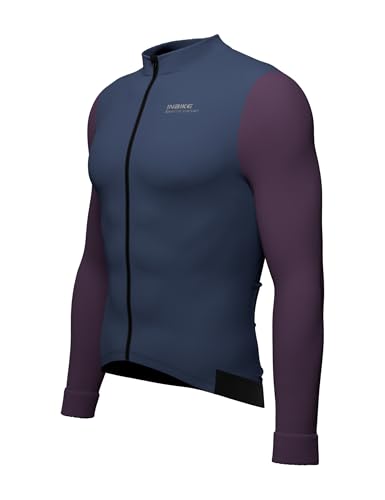
- Designed for riding around 40–60°F
- Stretchy fleece fabric with fitted profile
- Three rear pockets and a full zipper
Best For: Mild winter and shoulder-season cycling
Windproof Commuter
Przewalski Men's Winter Cycling Jacket

- Brushed fleece interior and high collar
- Wind-resistant shell with ventilation panels
- Three pockets and reflective low-light details
Best For: Cool, breezy rides with occasional light rain
Full Winter Kit
GCRFL Thermal Jersey and Bib Pants Set

- Thermal fleece-lined jersey with bib pants
- Multiple pockets including a zippered phone pocket
- Padded seat and reflective details for long rides
Best For: Long winter road rides needing full-body coverage
Cold-Weather Protection
baleaf Men's Winter Cycling Jacket

- Three-layer windproof, breathable, fleece-lined construction
- Four pockets plus reflective visibility details
- Drop-tail hem and high collar help block winter chill
Best For: Cold, windy winter rides and outdoor activities
Classic Thermal Jersey
Przewalski Men's Winter Cycling Shirt
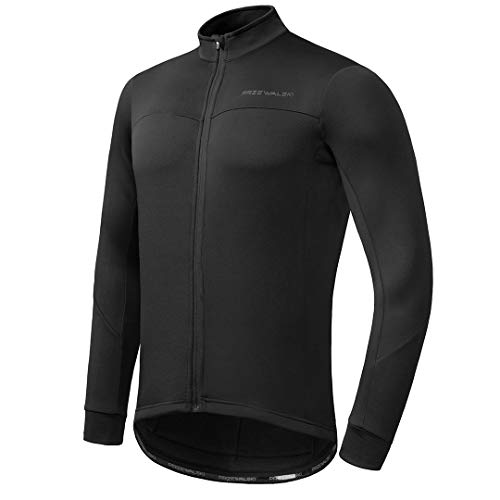
- Soft fleece interior with moisture-wicking polyester
- Full YKK zipper and three rear pockets
- Silicone hem gripper and extended back cut
Best For: Everyday cold-weather cycling with jersey-style storage
Flexible Slim-Fit Layer
BERGRISAR Winter Thermal Cycling Jersey

- Fleece-lined, four-way stretch fabric for warmth and mobility
- Four rear pockets, including one zippered pocket
- Windproof cuffs, reflective details, and anti-slip hem
Best For: Fall-to-winter riding and versatile cold-weather layering
Warmth on a Budget
INBIKE Fleece-Lined Winter Jersey
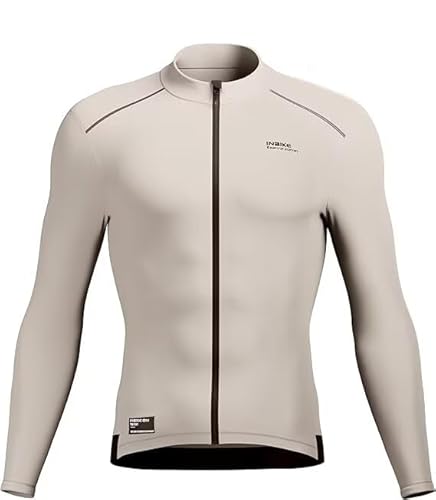
- Lightweight fleece lining with quick-drying fabric
- Three rear pockets and reflective logos
- Silicone hem and full zipper
Best For: Everyday winter rides and versatile unisex use
Wind-Blocking Choice

- Triple-layer front panel helps resist wind
- Fleece lining with moisture-wicking fabric
- Three pockets and reflective center detailing
Best For: Fitted cold-weather cycling and outdoor training
Stretch-Fit All-Rounder

- Fleece interior for cool rides from 14–22°C
- High-stretch blend with extended back coverage
- Three pockets and reflective safety details
Best For: Versatile road, gravel, commuting, and mountain biking
Weather Shield – ARSUXEO Winter Warm UP Thermal Softshell Jacket
For riders seeking a cycling jersey for winter with extra weather protection, this ARSUXEO softshell jacket combines a moisture-repelling outer layer, waterproof membrane, and fleece lining. Its drop tail, extended cuffs, stretch panels, and reflective accents make it practical for cold-weather rides.
Best For: Winter cyclists who prioritize warmth, wind protection, and a looser fit.
Pros:
- Three-layer construction balances warmth, water resistance, and breathability.
- Drop tail and extended cuffs help block cold air.
- Reflective accents and two pockets add nighttime visibility and storage.
Cons:
- Stretch inserts improve mobility but are not windproof or waterproof.
- Size chart should be checked because sizing was revised after reports of a snug fit.
This is a strong choice when a traditional jersey does not provide enough protection from wind and damp conditions. The loose softshell design may also suit riders who want room for layers.
Temperate Ride – INBIKE Winter Fleece Cycling Jersey
This INBIKE fleece jersey is a practical cycling jersey for winter’s milder conditions, with a recommended riding range of 40–60°F. The stretchy polyester-spandex fabric, full zipper, anti-slip hem, and three rear pockets keep it comfortable and useful without adding much bulk.
Best For: Early- to late-autumn and mild-winter rides when a fitted thermal layer is sufficient.
Pros:
- Soft fleece fabric is designed to provide warmth in moderate cold.
- Full self-locking zipper makes ventilation and dressing easier.
- Three rear pockets hold essentials such as gloves, a phone, and water bottles.
- Widened anti-slip hem helps keep the jersey in place.
Cons:
- It is intended for weather that is not particularly cold.
- Hand-wash care may be less convenient than machine washing.
Choose this jersey when you want a close-fitting, low-bulk layer for shoulder-season or mild winter cycling. It is less suited to severe cold than a heavyweight jacket.
Windproof Commuter – Przewalski Men's Winter Cycling Jacket
The Przewalski jacket is a substantial option for shoppers comparing a cycling jersey for winter with a more protective outer layer. Its brushed fleece interior, high collar, elastic cuffs, wind-resistant shell, ventilation panels, and reflective details support rides in cool, breezy conditions.
Best For: Cold-weather cycling, running, or hiking in light rain and temperatures around 45–70°F.
Pros:
- Brushed fleece interior helps retain body heat.
- Wind protection, water resistance, and underarm/back ventilation support changing conditions.
- One chest pocket and two rear pockets provide practical storage.
- Reflective logo and back stripe improve low-light visibility.
Cons:
- It is recommended for light rain, not moderate or heavy rain.
- The jacket runs small, especially when worn over a thick jersey.
- Hand-wash care may require extra maintenance.
This jacket offers a warm, feature-rich balance for cool rides, but sizing deserves attention. Riders layering underneath should consider ordering one size up as advised by the product notes.
Full Winter Kit – GCRFL Thermal Jersey and Bib Pants Set
For riders who want more than a standalone cycling jersey for winter, this GCRFL set pairs a thermal fleece-lined long-sleeve jersey with bib pants. Its multiple rear pockets, reflective details, silicone hem, and padded seat design are geared toward longer road rides.
Best For: Extended winter cycling sessions when coordinated upper-and-lower thermal coverage is useful.
Pros:
- Windproof polyester fabric and thermal fleece lining provide cold-weather coverage.
- Three standard rear pockets plus a zippered phone pocket offer generous storage.
- High-density foam and gel padding are designed for rides up to five to seven hours.
- Reflective strips and a silicone jersey hem support visibility and a stable fit.
Cons:
- Jersey and pants cannot be mixed into separate sizes.
- The product notes recommend checking the size chart and sizing up for a looser fit.
- Hand-wash care may be less convenient.
This is the most complete option of the group for riders building a coordinated winter kit. Confirm the sizing carefully, since the inseparable set may not suit riders who need different top and bottom sizes.
Cold-Weather Protection – baleaf Men's Winter Cycling Jacket
If you need a cycling jersey for winter that offers more protection than a typical jersey, this baleaf softshell jacket is built for cold, windy rides. Its three-layer construction combines a windproof exterior, breathable membrane, and warm fleece lining, with practical details for wet roads and low-light conditions.
Best For: Winter cycling, mountain biking, touring, and other outdoor activities in approximately 20–50°F weather.
Pros:
- Three-layer softshell design balances wind protection, breathability, and fleece warmth.
- Four pockets, including two large rear bellowed pockets, provide useful storage.
- Reflective elements, a drop-tail hem, high collar, and silicone gripper support safer, more comfortable rides.
- Zippered chest vents allow added ventilation during harder efforts.
Cons:
- Its heavyweight jacket construction may feel warmer and bulkier than a lightweight jersey.
- The regular fit may require careful sizing when layering.
This is the strongest choice for riders who prioritize weather protection, storage, and visibility over the lighter feel of a traditional cycling jersey. The fleece lining and protective cut make it particularly suitable for genuinely cold conditions.
Classic Thermal Jersey – Przewalski Men's Winter Cycling Shirt
For riders seeking a cycling jersey for winter with a familiar performance-jersey design, the Przewalski thermal shirt combines a soft fleece interior with moisture-wicking polyester. The full zipper, rear storage, and extended back make it practical for everyday rides and longer outings.
Best For: Cyclists who want a warm, full-zip jersey for regular rides with convenient storage and low-light visibility.
Pros:
- Fleece inner layer provides warmth and softness for cold-weather cycling.
- Breathable, moisture-wicking, quick-drying fabric supports active riding comfort.
- Three rear pockets hold essentials such as a phone, wallet, water, or energy bars.
- YKK full zipper, storm flap, silicone hem gripper, and longer rear cut add practical ride-focused details.
Cons:
- It has fewer pockets than the baleaf jacket and no stated windproof construction.
- The classic fit may not provide the close aerodynamic feel of a slim-fit jersey.
The Przewalski is a straightforward thermal jersey for riders who value fleece warmth, easy ventilation, and accessible rear storage. It is a practical middle ground when you want more cycling-specific features than a general winter shirt.
Flexible Slim-Fit Layer – BERGRISAR Winter Thermal Cycling Jersey
This BERGRISAR shirt is a versatile cycling jersey for winter that can work as an outer layer in fall or a mid-layer under a jacket. Its brushed fleece interior, four-way stretch fabric, windproof cuffs, and slim fit are aimed at riders who want warmth without giving up mobility.
Best For: Autumn and winter cycling, commuting, running, and outdoor training where flexible layering is useful.
Pros:
- Brushed fleece lining adds warmth while the four-way stretch fabric supports movement.
- Four rear pockets include one zippered compartment for more secure storage.
- Windproof cuffs and a silicone-gripper extended back hem help limit cold-air entry and ride-up.
- Reflective details on the arms and rear pockets improve low-light visibility.
Cons:
- The slim fit may be less suitable for riders who prefer a relaxed cut or heavy layering.
- It is medium weight, so very cold or wet conditions may call for an additional outer layer.
The BERGRISAR stands out for versatility: it can serve as a comfortable fall outer layer or a winter base layer beneath a jacket. Its secure pocket, reflective details, and flexible fit make it well suited to mixed-weather training and commuting.
Warmth on a Budget – INBIKE Fleece-Lined Winter Jersey
If you need a practical cycling jersey for winter, the INBIKE combines a lightweight fleece lining with quick-drying fabric for everyday cold-weather rides. Its full zipper, silicone hem, rear storage, and reflective details make it a useful option for commuting or recreational cycling.
Best For: Riders wanting lightweight fleece warmth, three pockets, and a versatile unisex design.
Pros:
- Fleece lining helps retain warmth while the fabric wicks moisture.
- Three rear pockets hold essentials such as a phone, bottle, or energy bar.
- Silicone hem helps prevent ride-up, and reflective logos improve low-light visibility.
Cons:
- Men are advised to size up, so fit selection may require extra care.
- The regular fit and lightweight construction may provide less wind protection than a dedicated jacket.
This is a straightforward, feature-rich choice for riders who prioritize storage and comfort without a heavy outer layer. Check the sizing guidance before ordering, especially for men.
Wind-Blocking Choice – LAMEDA Thermal Winter Jersey
The LAMEDA is a cycling jersey for winter designed around cold-weather protection, with a triple-layer composite front panel, fleece lining, snug cuffs, and a silicone-print hem. It suits riders who want a fitted jersey for cycling, trekking, or outdoor training.
Best For: Cold-weather riders seeking extra wind resistance and a fitted cycling-specific feel.
Pros:
- Triple-layer front panel helps block wind and retain body heat.
- Soft fleece lining and moisture-wicking polyester support comfort during activity.
- Three rear pockets include a reflective center pocket, while reflective details aid visibility.
- Snug cuffs and silicone hem help reduce drafts and keep the jersey in place.
Cons:
- Its fitted, non-stretchable construction may feel less forgiving than a highly elastic jersey.
- Hand-wash-only care may be less convenient for frequent use.
Choose this model if wind protection is a priority and you prefer a close-fitting jersey. Its medium-weight build and detailed cuff and hem design make it better suited to colder rides than a simple lightweight layer.
Stretch-Fit All-Rounder – Santic Men's Winter Jersey
Santic Men's Winter Cycling Jersey Thermal Fleece Long Sleeve Bike Jacket with 3 Pockets Black
Check Price On AmazonThe Santic is a cycling jersey for winter built for cool rides in the stated 14–22°C range. Its brushed fleece interior, high-stretch blend, extended back hem, and wind-protective zipper make it suitable as a standalone layer or mid-weight base layer.
Best For: Road, gravel, commuting, and mountain-bike riders who want stretch, coverage, and practical storage.
Pros:
- Brushed fleece lining provides warmth while the fabric wicks moisture.
- Four-way stretch supports movement with a streamlined cycling fit.
- Extended back hem and silicone gripper help prevent ride-up in a forward position.
- Three lower rear pockets, reflective details, and an internal zipper wind flap add practical function.
Cons:
- Hand-wash and machine-wash instructions are both listed, so care requirements may need confirmation.
- The medium-weight design is intended for cool conditions and may need additional layering in more severe cold.
For riders who value mobility and coverage, the Santic offers a balanced combination of fleece warmth, stretch, and cycling-specific details. It is especially versatile for mixed riding styles and daily use.
How We Picked the Best Cycling Jersey for Winter
We compared the selected jerseys and jackets by examining the features that matter most in cold conditions: thermal insulation, wind and water resistance, breathability, fit, pocket layout, visibility, and versatility. We also considered whether each option is better suited to mild winter weather, freezing temperatures, wet commutes, or high-output training.
Because winter conditions vary widely, this list includes both jersey-style layers and heavier softshell jackets. A fleece-lined jersey may be more comfortable for cool, dry rides, while a windproof jacket or coordinated jersey-and-bib set can offer better protection in harsher weather.
Quick Comparison
| Best For | Look For | Recommended Type |
|---|---|---|
| Cool, dry rides | Fleece lining and moisture management | Thermal jersey |
| Windy roads | Windproof front panel and snug cuffs | Softshell jacket |
| Wet commutes | Water-resistant outer fabric and covered zippers | Winter cycling jacket |
| Long training rides | Three rear pockets, breathable panels, and close fit | Performance jersey |
| Maximum coverage | Coordinated top and bib-pant insulation | Thermal clothing set |
Key Buying Factors for a Cycling Jersey for Winter
Warmth and Layering
Choose insulation based on your typical temperature and riding intensity. Brushed fleece holds heat well, but a highly insulated layer can feel too warm during climbs. For changeable weather, prioritize a jersey that leaves room for a base layer without becoming restrictive.
Wind and Water Protection
Windproof fabric is especially valuable on descents and exposed roads. Water resistance helps with light rain and road spray, but it should not be confused with full waterproofing. If you regularly ride through heavy rain, check for sealed seams and a storm flap over the zipper.
Fit, Mobility, and Visibility
A cycling-specific cut should sit comfortably in the riding position, with sleeves long enough to cover the wrists and a rear hem that stays in place. Reflective details, bright colors, and adjustable cuffs are useful for low-light winter riding.
Pockets and Care
Rear pockets provide convenient access to a phone, snacks, gloves, and tools. Review the care instructions before buying; fleece and softshell fabrics generally last longer when washed gently and kept away from high heat.
Who Should Buy Which Cycling Jersey for Winter?
Choose a fleece-lined thermal jersey if you ride in cool, mostly dry conditions and want a comfortable mid-layer. Pick a windproof softshell jacket for exposed routes, brisk commutes, or frequent descents. A water-resistant jacket is the better choice for unpredictable weather, while a thermal set makes sense for riders who want coordinated coverage from the waist up and down.
For serious training, prioritize a close but nonrestrictive fit, breathable construction, and secure pockets. Casual riders and commuters may value warmth, visibility, and layering room more than aerodynamic shaping. Whichever style you choose, pair it with a moisture-wicking base layer, insulated gloves, and appropriate head and leg coverage for a complete winter system.