The right handlebar can improve your road bike’s fit, control, comfort, and aerodynamics. This roundup compares 10 options across carbon and aluminum construction, conventional drop-bar layouts, and integrated aero designs.
Before choosing, confirm your bike’s clamp diameter, required width, cable-routing setup, and compatibility with your stem, levers, and headset.
Best 10 Bike Handlebars for Road Bikes Picks for 2026
Aero Carbon Pick

- T800 carbon with vibration damping
- Airfoil-style aero profile
- 31.8 mm clamp; 440 mm option
Best For: Aero-focused road riding and clean cable routing
Integrated Cockpit Choice

- One-piece T800 carbon construction
- 400 mm bar with 90 mm stem listed
- Two internal-routing methods
Best For: Racers wanting an integrated road-bike cockpit
Lightweight Comfort Option

- 220 g listed for 420 mm version
- Carbon construction dampens vibration
- Ergonomic wing-shaped design
Best For: Comfort-focused road, gravel, and fixed-gear riding
Versatile Fit Pick

- 31.8 mm clamp diameter
- 400, 420, and 440 mm widths
- 130 mm drop and 82 mm reach
Best For: Road and fixed-gear builds needing a deeper drop
Integrated Carbon Performance

- T700 carbon construction at about 320 g in the listed setup
- Integrated design with full internal routing
- Several widths and stem lengths available
Best For: Performance-oriented road riders wanting a streamlined carbon cockpit
Lightweight Aero Control
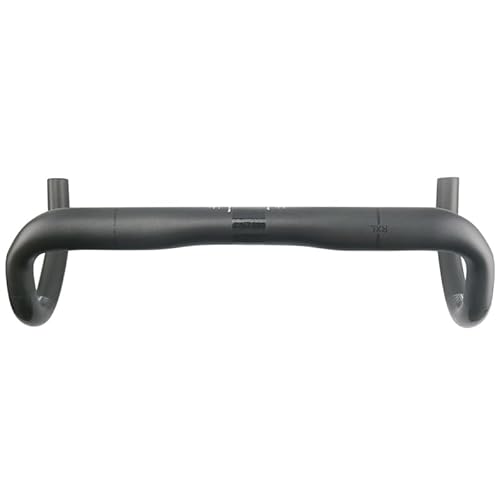
- T800 carbon fiber with an approximate 180 g listed weight
- Routing groove supports a cleaner cable setup
- 400, 420, and 440 mm widths with a 31.8 mm clamp
Best For: Performance road riders prioritizing low weight and racing geometry
Lightweight Upgrade

- Approx. 200–255g carbon construction
- 400/420/440mm widths; 119mm drop
- Four-hole internal routing
Best For: Riders wanting a lightweight carbon bar for road, gravel, or city bikes
Aero Comfort Pick
Alfa Pasca Carbon Road Handlebars

- T800 carbon, approximately 200–250g
- Aero profile with internal routing
- 127mm drop and 104mm reach
Best For: Road and triathlon riders seeking an aero carbon bar with palm support
Classic Aero Value

- Approx. 210g ±10g T800 carbon
- 400/420/440mm widths available
- Internal four-hole routing and aero design
Best For: Road and racing riders wanting a lightweight classic aero carbon bar
Aero Carbon Pick – Flat Aero Drop Bars
For riders comparing bike handlebars for road bikes, these 31.8 mm T800 carbon drop bars emphasize aerodynamic shaping, vibration damping, and a clean cockpit. The 440 mm option has a 119 mm drop and 77 mm reach, while other widths are available.
Best For: Road riders who want an aero-oriented carbon handlebar with internal or external cable-routing support.
Pros:
- T800 carbon construction is designed to reduce road vibration and upper-body fatigue.
- Flat airfoil-style profile is intended to reduce frontal wind resistance.
- Supports internal and external cabling for a streamlined setup.
Cons:
- Carbon installation requires careful torque control, with a stated maximum of 6 Nm.
- The 440 mm version may not suit riders who need a narrower bar.
This is a practical choice for riders prioritizing aero styling and vibration damping, provided the width and carbon-installation requirements match the bike and fit.
Integrated Cockpit Choice – RXL SL Integrated Carbon Bar
This integrated RXL SL model combines the handlebar and stem in one carbon assembly, making it a notable option among bike handlebars for road bikes. The listed configuration is 400 mm wide with a 90 mm stem, while several widths and stem lengths are offered.
Best For: Competition-oriented riders seeking an integrated carbon cockpit and internal routing options.
Pros:
- One-piece T800 carbon construction is described as lightweight, durable, and impact-tested.
- Internal routing supports two routing methods and helps protect brake lines.
- Available in multiple handlebar widths and stem lengths; includes speedometer-holder mounting screws.
Cons:
- Integrated sizing provides less independent adjustment than a separate bar and stem.
- Carbon bolts require careful tightening to the specified 4 Nm torque.
Its integrated design can create a tidy, aero cockpit, but confirm fork diameter, width, stem length, and routing compatibility before ordering.
Lightweight Comfort Option – RXL SL Aero Carbon Bars
These RXL SL carbon drop bars are aimed at riders who want lightweight bike handlebars for road bikes with a comfortable, vibration-damping feel. The supplied details list a 420 mm, 3K matte version weighing 220 g and describe compatibility with several bike styles.
Best For: Road, gravel, hybrid, fixed-gear, and track riders looking for a light carbon bar with multiple hand positions.
Pros:
- Full carbon construction is listed at 220 g for the specified version.
- Designed to reduce road vibration and improve comfort on rougher surfaces.
- Wing-shaped ergonomic design offers several hand positions and a relaxed upper-body feel.
Cons:
- The supplied notes do not specify the clamp diameter or detailed reach and drop measurements.
- Fit and compatibility should be confirmed before using it on non-road bike types.
This bar stands out for its low stated weight and comfort-focused shape, but buyers should verify the exact sizing and clamp requirements for their setup.
Versatile Fit Pick – T800 Carbon Drop Bar
For shoppers evaluating bike handlebars for road bikes, this 31.8 mm T800 carbon drop bar combines a lightweight build with a deeper drop and broad compatibility claims. The listed black version is 400 mm wide, with 420 mm and 440 mm options also available.
Best For: Road, fixed-gear, and messenger-style builds needing a conventional 31.8 mm carbon drop bar.
Pros:
- T800 carbon construction is described as lightweight, durable, anti-shock, and rust-resistant.
- 14-degree sweep, 130 mm drop, and 82 mm reach provide multiple riding positions.
- Available in 400, 420, and 440 mm widths and designed for relatively straightforward installation.
Cons:
- The 130 mm drop may feel deep for riders preferring a more upright position.
- The notes do not state a product weight or warranty.
This is a flexible choice for riders wanting a traditional carbon drop-bar shape across several build types, especially when a deeper drop suits their fit.
Integrated Carbon Performance – Carbon Drop Bars 40cm
For riders comparing bike handlebars for road bikes, this integrated carbon option combines the bar and stem in one streamlined design. It uses T700 carbon fiber, offers internal routing, and is available in several widths and stem lengths for a more tailored fit.
Best For: Road cyclists seeking a lightweight, integrated cockpit for racing or performance-oriented riding.
Pros:
- T700 carbon fiber construction with an approximate 320 g weight in the listed configuration.
- Full internal routing helps protect brake lines and creates a cleaner appearance.
- Multiple width and stem-length choices, plus a preset mount for a compatible speedometer holder.
- Compatible with a range of road, gravel, hybrid, track, and fixed-gear bikes.
Cons:
- The integrated design requires careful fit and installation planning.
- Carbon installation must follow the specified 4 Nm tightening torque.
- The speedometer holder is not included.
This is a strong choice when low weight, internal cable routing, and a cohesive cockpit matter more than simple adjustability. Confirm the 28.6 mm fork/stem interface and sizing before ordering.
Versatile Aluminum Value – UPANBIKE Aluminum Drop Bar
This UPANBIKE drop bar is a straightforward option for shoppers seeking bike handlebars for road bikes with an aluminum build and broad compatibility. It is made from 6061-T6 aluminum alloy and comes in versions for either 25.4 mm or 31.8 mm handlebar clamps.
Best For: Budget-conscious riders who need a conventional drop bar for a road, fixed-gear, cruiser, or BMX setup.
Pros:
- 6061-T6 aluminum alloy offers a practical, durable construction.
- Available for both 25.4 mm and 31.8 mm clamp standards.
- Suitable for road bikes, fixed-gear bikes, cruisers, and BMX bikes.
- Approximate listed weight is 350 g.
Cons:
- Heavier than the carbon options in this roundup based on the listed weights.
- The product notes do not specify width, reach, or drop measurements.
- Compatibility depends on selecting the correct clamp diameter.
Choose this bar when simple aluminum construction and clamp-size flexibility are priorities. Measure your stem clamp before purchase, since the 25.4 mm and 31.8 mm versions are not interchangeable.
Lightweight Aero Control – RXL SL Carbon Road Bar
For riders evaluating bike handlebars for road bikes, the RXL SL combines T800 carbon fiber with a modern road-racing shape. Its 31.8 mm clamp, internal routing groove, and expanded upper grip area are designed to support a clean setup and comfortable hand placement.
Best For: Road racers and performance riders looking for a lightweight carbon drop bar with aerodynamic styling and routing-friendly details.
Pros:
- T800 carbon fiber construction with an approximate 180 g weight in the listed 420 mm configuration.
- Routing groove at the rear helps make cable installation cleaner.
- Multiple widths are offered, with a 31.8 mm diameter and 4 Nm torque specification.
- Expanded upper grip area is intended to provide additional palm support.
Cons:
- The listed 380 mm title and 400/420/440 mm width options should be verified before ordering.
- Carbon installation requires attention to the specified torque.
- Its road-racing geometry may not suit riders seeking a more upright or relaxed bar.
This bar stands out for its low listed weight, racing-oriented shape, and routing-focused design. Verify the desired width and your stem’s 31.8 mm clamp compatibility before buying.
Lightweight Upgrade – RXL SL Carbon Road Handlebar
If you want bike handlebars for road bikes that prioritize low weight and a clean cockpit, this RXL SL carbon model is a practical option. It uses a 31.8mm clamp, offers 400, 420, and 440mm widths, and includes internal routing for a tidier setup.
Best For: Road, racing, gravel, and city-bike riders seeking a lightweight carbon drop bar with internal routing.
Pros:
- Carbon-fiber construction with an approximate weight of 200–255g.
- Available in 400, 420, and 440mm widths with a 119mm drop and 77mm reach.
- Four-hole internal routing helps protect brake lines and reduce cable clutter.
- Includes a one-year manufacturer warranty.
Cons:
- Installation requires careful adherence to the specified 4 Nm torque.
- The listed fit is based on a 31.8mm clamp diameter, so compatibility should be checked before purchase.
Its shorter reach and moderate drop create a distinct fit from more aggressively shaped aero bars. Confirm the width and torque requirements before installation, especially when replacing an existing handlebar.
Aero Comfort Pick – Alfa Pasca Carbon Road Handlebars
Among bike handlebars for road bikes, the Alfa Pasca stands out for its aero profile, widened top grip area, and carbon construction. It uses a standard 31.8mm clamp and is offered in three widths, making it suitable for riders comparing fit and aerodynamic styling.
Best For: Road and triathlon riders who want an aerodynamic carbon bar with internal routing and a larger palm-support area.
Pros:
- T800 carbon-fiber construction with an approximate weight of 200–250g.
- Aerodynamic wind-breaking profile and internal routing help create a cleaner cockpit.
- 127mm drop and 104mm reach provide a modern racing-bike shape.
- Textured brake-lever area is designed to increase friction, and the product includes a one-year warranty.
Cons:
- The 127mm drop and 104mm reach may not suit riders seeking a compact bar shape.
- Installation calls for the specified 4 Nm torque.
- Compatibility should be confirmed for the 31.8mm clamp and intended brake setup.
This bar combines aero shaping with features aimed at long-ride comfort, including a widened upper grip and ergonomic drop. It is a strong fit-focused choice when you want more than a basic carbon replacement.
Classic Aero Value – Carbon 31.8mm Road Handlebar
This carbon handlebar is a straightforward choice for shoppers comparing bike handlebars for road bikes with a standard racing shape. It has a 31.8mm diameter, internal four-hole routing, and width options from 400 to 440mm, plus an aero-oriented profile.
Best For: Road and racing-bike riders wanting a lightweight, classic aero carbon bar with broad width availability.
Pros:
- T800 carbon-fiber construction weighs approximately 210g ±10g.
- Available in 400, 420, and 440mm widths with a 127mm drop and 104mm reach.
- Internal routing and a wind-breaking design help reduce visible cable clutter.
- Textured brake-area coating and an expanded upper grip are intended to support control and comfort.
Cons:
- Only a black UD matte finish is listed.
- The 127mm drop and 104mm reach may feel less compact than some road-bike handlebars.
- Compatibility should be checked for the 31.8mm diameter and existing fixtures.
With its standard modern racing mold, this bar offers a balanced mix of low weight, aero shaping, and routing options. Compare its reach and drop with your current setup before choosing a width.
How We Picked These Bike Handlebars for Road Bikes
We focused on the specifications that matter most for a road-bike cockpit: material, handlebar width, clamp diameter, drop-bar shape, aerodynamic design, and whether the bar uses a separate stem or an integrated one-piece layout. The selection includes several 31.8mm options, plus models with different widths and an aluminum alternative for riders who prioritize value, durability, or easier replacement.
Because fit and installation are highly individual, treat stated dimensions as a starting point. Check the manufacturer’s current weight limits, torque guidance, routing instructions, and compatibility information before installing any carbon handlebar.
Quick Comparison
| Type | Best suited to | Main advantage | Important check |
|---|---|---|---|
| Traditional carbon drop bar | Most road riders | Low weight and broad fit options | Width, reach, drop, and clamp size |
| Integrated carbon bar | Aero-focused builds | Clean cockpit and streamlined profile | Stem length, routing, and serviceability |
| Aluminum drop bar | Budget or training bikes | Lower cost and practical durability | Correct clamp diameter and lever fit |
| Narrow bar | Smaller riders or aerodynamic setups | Potentially reduced frontal area | Control and shoulder comfort |
Key Buying Factors for Bike Handlebars for Road Bikes
Width and Shape
Choose a width that supports comfortable control without forcing your shoulders too wide or too narrow. Measure your existing bar and compare the manufacturer’s measurement method, since some brands measure center-to-center while others use outside-to-outside dimensions. Reach and drop also affect how easily you can use the brake hoods and lower position.
Clamp Diameter and Compatibility
Many modern road handlebars use a 31.8mm stem clamp, but some older or specialty setups use 25.4mm. Do not rely on appearance alone. Confirm the bar, stem, brake levers, and any accessory mounts are compatible before buying.
Carbon, Aluminum, and Aero Construction
Carbon can reduce weight and offer useful vibration damping, while aluminum is often less expensive and simpler for everyday or training use. Aero profiles may improve airflow, but they can limit accessory placement or make handlebar bags harder to fit. Integrated bars may also require more involved cable and headset work.
Routing, Installation, and Safety
Internal routing creates a tidy appearance but increases installation complexity. Confirm whether your bike uses mechanical, hydraulic, or electronic shifting and whether the bar supports those systems. Use a calibrated torque wrench, suitable assembly paste where specified, and professional installation if you are uncertain. Inspect the bar regularly for damage, especially after a crash.
Who Should Buy Which Bike Handlebars for Road Bikes?
- Choose a traditional carbon drop bar if you want a versatile upgrade with easier stem and width adjustments.
- Choose an integrated aero handlebar if you are building an aerodynamic bike and are comfortable committing to its fixed stem length and routing system.
- Choose an aluminum bar for a cost-conscious training bike, commuter conversion, or setup where straightforward replacement matters.
- Choose a narrower model only when its dimensions suit your body, handling preferences, and riding position—not solely for the promise of aerodynamic gains.
For most buyers, the best option is the handlebar that matches the bike’s standards and delivers a comfortable, controlled fit. Weight and aero styling should come after safe compatibility and proper installation.