The best cycling sunglasses for touring should protect your eyes through changing light, reduce glare on open roads, and remain comfortable for hours in the saddle. Lens versatility, secure fit, ventilation, and durability matter more than flashy styling.
We selected 10 touring-friendly options with different strengths, from photochromic lenses for variable conditions to interchangeable systems for riders who want one pair for multiple environments. Use the guide below to match the right features to your routes and riding habits.
Best 10 Cycling Sunglasses for Touring Picks for 2026
Versatile Lens Kit
X-TIGER 5-Lens Polarized Sunglasses

- Five interchangeable lenses for varied conditions
- Lightweight 19.2g TR90 frame
- Includes prescription inner frame and travel accessories
Best For: Tourers wanting lens flexibility and a complete accessory kit
Adaptive Light Pick
KAPVOE Photochromic Cycling Sunglasses

- Photochromic lens adapts from clear to gray
- UV400 protection with shatter-resistant PC lens
- Vented design and flexible TR90 frame
Best For: Daytime tours with frequently changing light
Secure Shield Fit

- Rimless shield design for broad coverage
- Lightweight 26g TR-90 frame
- Grip increases with sweat through hydrophilic pads
Best For: Larger-faced riders wanting a stable shield fit
Minimalist Photochromic Choice
ROCKBROS 22g Cycling Sunglasses

- Lightweight 22g rimless construction
- Photochromic lens adapts to changing light
- Adjustable nose bridge and UV400 protection
Best For: Tourers seeking a low-profile, adaptive-light design
Lightweight Pick
Tifosi Vogel XC Rimless Sunglasses

- 24-gram TR-90 frame
- 13% light transmission for full sun
- 100% UVA/UVB shield with venting
Best For: Full-sun touring on smaller to medium faces
Best for Everyday Use
ROCKBROS Polarized Sports Sunglasses

- Four interchangeable lenses
- Polarized black lens included
- Vented wraparound design weighs about 28 grams
Best For: Tours with changing light and weather
Best for Comfort
ROCKBROS Photochromic Cycling Sunglasses
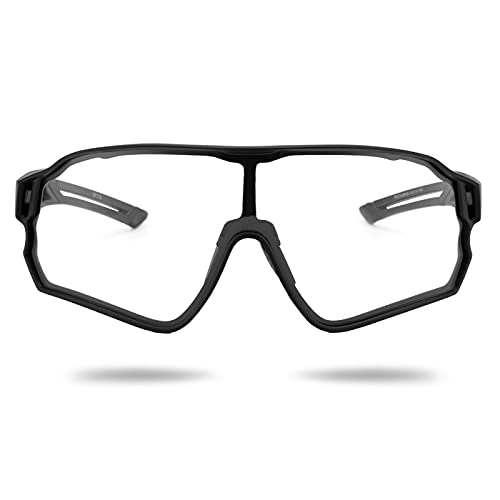
- 83%-21% adaptive light transmittance
- 180-degree wraparound field of view
- UV400 impact-resistant polycarbonate lenses
Best For: All-day touring through changing light
Best with Extra Features
X-TIGER 5-Lens Cycling Glasses

- Five interchangeable lenses for varied light
- Durable TR90 frame with adjustable nose pad
- Includes case, headband, and fit accessories
Best For: Touring riders who want maximum lens and fit flexibility
Glare-Reducing Wraparound
ROCKBROS Polarized Cycling Sunglasses
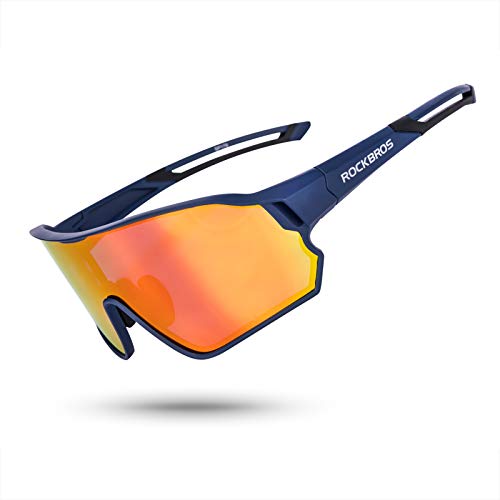
- Polarized lenses reduce glare on bright roads
- Curved wraparound design adds wind protection
- Lightweight 25-gram frame with adjustable ear pads
Best For: Sunny tours requiring glare control and broad coverage
Versatile Lens Kit – X-TIGER 5-Lens Polarized Sunglasses
For cyclists comparing cycling sunglasses for touring, the X-TIGER stands out for its lightweight 19.2g TR90 frame and interchangeable-lens setup. The kit includes polarized, clear, yellow night, and Revo lenses, helping you adapt to different touring conditions without carrying several pairs of glasses.
Best For: Tourers who want multiple lens options, polarized glare reduction, and a lightweight frame.
Pros:
- Includes five interchangeable lenses and an inner frame for prescription lenses.
- Polarized lenses provide 99.9% UVA and UVB protection, according to the supplied specifications.
- Lightweight TR90 frame weighs 19.2g and is designed for impact resistance.
- Comes with an EVA case, cleaning cloth, glasses bag, and other accessories.
Cons:
- Changing lenses is less convenient than using photochromic sunglasses.
- The large, full-frame fit may not suit smaller faces.
- The included kit has several components to organize on a tour.
This is a flexible choice when touring routes involve changing weather or light and you value a broad accessory package. Its main advantage is adaptability, while riders seeking a simple single-lens solution may prefer a more streamlined design.
Adaptive Light Pick – KAPVOE Photochromic Cycling Sunglasses
The KAPVOE K63 is a practical option for cycling sunglasses for touring because its photochromic lens changes from clear to gray as light conditions shift. That means you can keep one pair on while moving between brighter roads and less intense light, while the vented lens design is intended to help reduce fogging.
Best For: Riders who want automatic lens adjustment, UV400 protection, and a flexible fit for changing daytime conditions.
Pros:
- Photochromic lens darkens and brightens according to available light.
- UV400 protection is specified against UVA, UVB, and UVC rays and harmful blue light to 400nm.
- Flexible TR90 frame and soft rubber nose pad support a comfortable fit.
- Air-inlet design helps prevent fogging during high-speed riding.
Cons:
- The supplied notes do not specify a lens-change option or polarized lens.
- The inner frame accessory is included, but lenses for it are not.
- The regular fit may be less suitable for riders needing a large or extra-large frame.
For touring routes with variable brightness, the automatic tint is more convenient than swapping lenses. The KAPVOE is especially appealing if ventilation and a comfortable, adaptable frame matter more to you than polarization.
Secure Shield Fit – Tifosi Vogel SL Sunglasses
For cyclists looking for cycling sunglasses for touring with broad coverage, the Tifosi Vogel SL uses a rimless shield lens and a large-to-extra-large fit. Its 26g Grilamid TR-90 frame, hydrophilic nose pads, and rubber ear pieces are designed to stay comfortable and secure as activity and perspiration increase.
Best For: Riders with larger faces who prefer a lightweight, full-coverage shield design.
Pros:
- Rimless shield offers a wide field of view and 100% UVA/UVB protection.
- Lightweight 26g Grilamid TR-90 frame supports all-day wear.
- Hydrophilic rubber nose and ear pads increase grip as you sweat.
- Shatterproof polycarbonate lens repels water.
Cons:
- The large-extra-large fit may be too spacious for smaller faces.
- The lens is non-polarized, so it does not specifically reduce reflected glare through polarization.
- Only one lens configuration is supplied.
This model makes sense for tourers who prioritize stable coverage, peripheral visibility, and a secure fit over interchangeable or photochromic lenses. Check the large-extra-large sizing carefully before buying.
Minimalist Photochromic Choice – ROCKBROS 22g Cycling Sunglasses
The ROCKBROS 22g model is a streamlined pick among cycling sunglasses for touring, combining a lightweight rimless construction with a photochromic lens. The lens automatically lightens or darkens as conditions change, while the frameless design is intended to preserve peripheral vision on the road.
Best For: Tourers who want a lightweight, low-profile pair with automatic tint adjustment.
Pros:
- At 22g, the sunglasses are designed for comfortable long-period wear.
- Photochromic lens adjusts without requiring a lens change.
- Rimless construction provides clearer peripheral vision.
- Adjustable soft rubber nose bridge helps customize the fit, and the PC lens has UV400 protection.
Cons:
- The lens is non-polarized, so glare reduction may be less than with polarized sunglasses.
- The standard fit may not suit every face shape.
- Only one lens configuration is included.
This is a good practical choice when low weight and changing-light convenience are your main priorities. Its rimless profile suits riders who want an unobstructed view, while those touring in highly reflective conditions may prefer polarized lenses.
Lightweight Pick – Tifosi Vogel XC Rimless Sunglasses
For cyclists seeking cycling sunglasses for touring, the Tifosi Vogel XC offers a lightweight, rimless shield design with full UVA/UVB protection. Its smoke lens with a sky-blue mirror is intended for bright, full-sun conditions, while the smaller fit suits small to medium faces.
Best For: Full-sun touring on smaller to medium faces.
Pros:
- Only 24 grams, with a durable Grilamid TR-90 frame.
- Smoke lens provides 13% light transmission for bright conditions.
- Rimless shield offers 100% UVA/UVB protection and bottom vents for airflow.
- Hydrophilic nose and ear pads increase grip as you sweat.
Cons:
- Small-to-medium fit may not suit larger faces.
- Non-polarized lens may not reduce reflected glare as a polarized lens would.
- The dark lens is designed for full sun rather than low-light riding.
The Vogel XC is a strong choice when low weight, secure grip, and full-sun coverage matter most. Confirm the smaller sizing before choosing it for long touring days.
Best for Everyday Use – ROCKBROS Polarized Sports Sunglasses
These ROCKBROS cycling sunglasses for touring stand out for their four interchangeable lenses, letting riders adapt to changing weather and light. The set includes a polarized black lens, plus colorful, yellow, and clear options, in a lightweight wraparound design.
Best For: Touring riders who want one adaptable pair for varied conditions.
Pros:
- Four interchangeable lenses include yellow and clear options for darker or low-light conditions.
- The black lens is polarized to help reduce reflected light.
- Adjustable rubber nose pads and a flexible TR90 frame support a customizable fit.
- Airflow vents help reduce fogging, while the wraparound shape blocks wind.
Cons:
- Only the black lens is identified as polarized.
- Changing lenses is less convenient than using a single adaptive lens.
- The universal fit may not provide an equally precise fit for every face.
For tours that move between bright roads, overcast stretches, and low-light sections, the interchangeable lens system offers useful flexibility. It is especially practical if you are willing to carry and swap lenses during a ride.
Best for Comfort – ROCKBROS Photochromic Cycling Sunglasses
For cycling sunglasses for touring that can remain on your face throughout the day, these ROCKBROS photochromic glasses automatically adjust their tint. The lenses range from 83% transmittance indoors to 21% in bright conditions, combining a clear-glasses function with sun protection in one wraparound design.
Best For: All-day touring with changing indoor, shaded, and bright conditions.
Pros:
- Photochromic lenses automatically adjust from 83% to 21% light transmittance.
- Large wraparound lens provides a stated 180-degree field of view.
- Polycarbonate lenses offer UV400 protection and impact resistance.
- Lightweight 26-gram construction includes a hard case, cleaning cloth, pouch, and myopia frame.
Cons:
- The lenses are non-polarized, so they may not cut reflected glare like polarized lenses.
- They are designed to darken in sunlight, so tint changes may be less useful in consistently bright or consistently dim conditions.
- One-size fitting may not provide a tailored fit for every rider.
The photochromic lens is the main advantage for tours with frequent shifts in brightness, reducing the need to carry or change lenses. Choose another option if polarization is a priority for water, glass, or highly reflective roads.
Best with Extra Features – X-TIGER 5-Lens Cycling Glasses
For cyclists comparing cycling sunglasses for touring, the X-TIGER set stands out for its interchangeable lens and frame options. It includes lenses for bright, cloudy, low-light, and nighttime conditions, plus a case and several fit accessories.
Best For: Touring riders who want one adaptable eyewear kit for changing light and multiple outdoor activities.
Pros:
- Includes five interchangeable lenses, including polarized black, yellow, Revo, and HD clear options.
- TR90 frame is described as lightweight, impact-resistant, and durable.
- Adjustable nonslip nose pad and included ear hooks, headband, and myopia frame add fit flexibility.
- Comes with an EVA case, cleaning cloth, and interchangeable lower frame.
Cons:
- Changing lenses and frame components is less convenient than using a fixed-lens pair.
- The listed size is large, so fit may not suit every face.
This is the most customizable option of the three. Its broad accessory package makes it useful for long tours with varied conditions, though riders who prefer simple, grab-and-go sunglasses may want a less modular design.
Best Heavy-Duty Pick – ROCKBROS Photochromic Sports Sunglasses
These ROCKBROS sunglasses are a practical choice for cycling sunglasses for touring when routes move between changing light conditions. Their photochromic lenses adjust automatically, while the removable elastic band provides an additional way to secure the glasses during active riding.
Best For: Riders touring through variable light who prioritize automatic lens adjustment and a secure fit.
Pros:
- Photochromic lenses automatically adjust to changing light conditions.
- Removable elastic band can add security during intense activity.
- Nonslip nose pads and an ergonomic design are intended to improve stability and comfort.
- Lightweight, durable frame with scratch-resistant lens coating.
Cons:
- The lenses are non-polarized, so they do not provide the glare reduction of polarized sunglasses.
- Only one lens configuration is listed, offering less customization than the X-TIGER set.
The automatic lens response makes this a streamlined touring option for riders who do not want to swap lenses. However, those frequently dealing with strong reflected glare may prefer polarized eyewear.
Glare-Reducing Wraparound – ROCKBROS Polarized Cycling Sunglasses
For bright-road riding, these ROCKBROS glasses offer a straightforward option among cycling sunglasses for touring. Their polarized lenses reduce glare, while the curved wraparound design provides wind protection and a wide field of vision.
Best For: Sunny touring routes where glare reduction, broad coverage, and a lightweight fit matter most.
Pros:
- Polarized lenses reduce glare and are paired with UV400 protection.
- Curved lens design provides a wide field of vision and wind protection.
- Lightweight 25-gram frame includes rubber nose and adjustable ear pads.
- Polycarbonate construction is designed for durable everyday sports use.
Cons:
- There is no interchangeable or photochromic lens system for changing conditions.
- The oversized wraparound shape may not suit riders seeking a smaller fit.
- The supplied details list an orange lens, which may not be ideal for every lighting preference.
This pair keeps the feature set simple and focuses on glare control and coverage. It is a strong fit for predominantly sunny tours, but less versatile than the interchangeable or photochromic alternatives when lighting changes throughout the day.
How We Picked the Best Cycling Sunglasses for Touring
We focused on features that make long-distance riding easier and safer: dependable UV protection, useful lens technology, stable sport-oriented fits, ventilation, low weight, and practical versatility. Photochromic models can adapt as clouds, shade, and sunlight change, while polarized lenses help reduce glare from pavement, water, and vehicle windows. Interchangeable-lens packages are useful when a single tint cannot cover every touring condition.
Because fit is highly personal, we also considered frame adjustability, lens coverage, nose and temple grip, and whether the design is suitable for both casual touring and faster riding. Product claims such as UV400 or anti-fog performance should still be checked against the manufacturer’s current specifications.
Quick Comparison
| Type | Best For | Main Advantage | Potential Trade-Off |
|---|---|---|---|
| Photochromic | Mixed light and changing weather | Automatically adjusts tint | May not become as dark as dedicated sun lenses |
| Polarized | Bright roads and reflective surfaces | Reduces distracting glare | Less adaptable when light changes quickly |
| Interchangeable lenses | Riders covering varied conditions | Multiple tints in one kit | Lens changes require planning and storage |
| Rimless or lightweight shields | Long rides and minimal-feel comfort | Low weight and broad coverage | Can offer less frame protection from impacts or handling |
Key Buying Factors for Cycling Sunglasses for Touring
Lens Protection and Visibility
Choose full UV protection and enough coverage to block wind, dust, and insects. A tint should improve contrast without making shaded roads too dark. Polarization is especially useful near water and traffic, while photochromic lenses suit routes with frequent transitions between sun and shade.
Fit, Comfort, and Ventilation
Look for a secure bridge, grippy temple tips, and a shape that stays put when you look over your shoulder. Ventilation helps limit fogging, but large shields should still leave room for airflow. If you wear a helmet, check that the arms do not interfere with its retention system.
Durability and Maintenance
Touring sunglasses face sweat, road grit, drops, and repeated lens cleaning. Impact-resistant materials, a protective case, and included replacement lenses can improve long-term value. Avoid wiping dusty lenses dry; rinse them first to reduce scratching.
Who Should Buy Which Cycling Sunglasses for Touring?
- Choose photochromic glasses if your tours regularly move between bright roads, wooded sections, and overcast conditions.
- Choose polarized glasses if you mostly ride in strong sunlight and want to reduce glare from pavement or water.
- Choose an interchangeable-lens kit if you plan dawn starts, daytime riding, and variable weather with one adaptable setup.
- Choose a lightweight rimless or shield design if low weight, wide peripheral coverage, and all-day comfort are your priorities.
- Choose a simpler budget-friendly pair if you need reliable eye coverage for occasional tours rather than a highly specialized lens system.
Before buying, confirm the listed lens options, included accessories, frame dimensions, and return policy. The best pair is the one that combines appropriate light control with a stable, comfortable fit you can wear for the entire ride.