The best fitness tracker for cycling should capture the data you actually use, whether that means route tracking, heart rate, speed, recovery, or sleep. The right choice depends on whether you want a wrist-worn companion, a dedicated bike computer, or a focused heart-rate sensor.
We selected 10 options across those categories, including GPS cycling computers, optical armbands, smart bands, and full-featured wearables. Use the guide below to compare tracking priorities, battery expectations, and everyday usability before buying.
Best 10 Fitness Tracker for Cycling Picks for 2026
Best All-Around Fitness Tracker
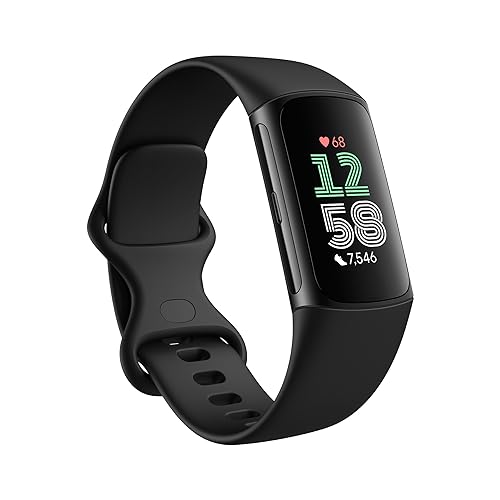
- Built-in GPS and 40+ exercise modes
- Tracks heart rate, sleep, stress, and readiness
- Up to seven-day battery life
Best For: Everyday fitness and recreational cycling
Best Heart-Rate Add-On

- Bluetooth and ANT+ connectivity
- Comfortable adjustable optical sensor armband
- Up to 24 hours of battery life
Best For: Adding heart-rate data to cycling apps and devices
Best for Recovery Coaching
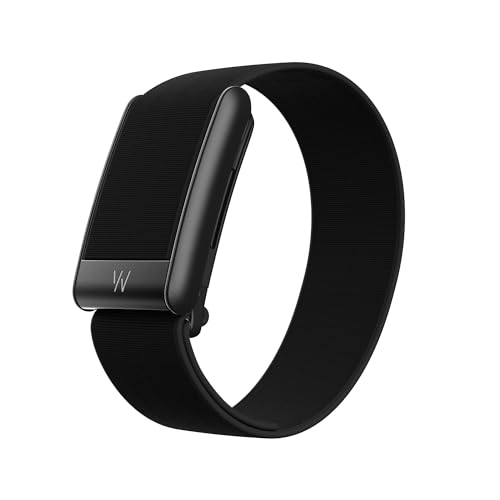
- Tracks recovery, strain, sleep, HRV, and VO2 max
- Screenless design with 14+ days of battery
- Includes a 12-month membership
Best For: Performance-focused cyclists prioritizing recovery
Best Dedicated Cycling Computer
CYCPLUS Wireless GPS Bike Computer

- GPS ride tracking with distance and altitude data
- 2-inch automatic-backlight display
- More than 55 hours of stated battery life
Best For: Handlebar-mounted ride tracking and navigation data
Long-Range Display Pick

- Bright 1.72-inch AMOLED display
- Up to 21 days of battery life
- No built-in GPS for route tracking
Best For: Cyclists seeking long battery life and a bright everyday fitness band
Value Health-Tracking Pick

- 112 sports modes including cycling
- Tracks distance, speed, and workout time
- GPS works through a smartphone
Best For: Cyclists wanting broad health and smartwatch features at an everyday-wear price
Connected Smartwatch Pick
140-Mode Bluetooth Calling Watch

- 140-plus sports modes including cycling
- Large 1.83-inch HD touchscreen
- Bluetooth calling and smartphone GPS
Best For: Cyclists who want sports tracking plus calls and notifications
Best Connected-GPS Pick
AMOLED Fitness Tracker for Cycling

- Connected GPS records workout routes through the app
- 25 sports modes with distance, calories, and heart rate
- AMOLED display, IP68 rating, and up to 7 days of battery
Best For: Casual cyclists wanting basic ride tracking and everyday wellness features
Best for Training Variety
MorePro Fitness Tracker for Cycling
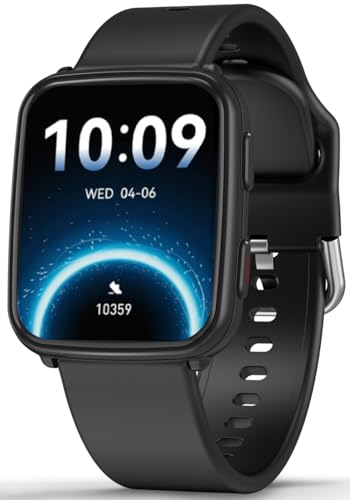
- 120+ sport modes cover cycling and cross-training
- Real-time distance, calories, heart rate, and training time
- IP68 design with notifications and up to 7 days of battery
Best For: Multi-sport cyclists who want broad workout and lifestyle tracking
Best Large-Display Option
Fitness Tracker for Cycling and Daily Activity

- 1.58-inch high-resolution display with touch controls
- 120+ exercise modes and all-day activity tracking
- Phone GPS connectivity maps outdoor workout routes
Best For: Cyclists who value a large display and app-based route mapping
Best All-Around Fitness Tracker – Google Fitbit Charge 6
The Google Fitbit Charge 6 is a versatile fitness tracker for cycling that combines built-in GPS, heart-rate monitoring, exercise tracking, sleep insights, and Google navigation features in a compact design. Its 40+ exercise modes and up to seven-day battery life make it practical for regular rides and broader daily fitness tracking.
Best For: Cyclists who want one wearable for rides, health metrics, sleep tracking, and everyday activity.
Pros:
- Built-in GPS tracks routes without requiring a phone during rides.
- Measures heart rate, Active Zone Minutes, calories, sleep, stress, and Daily Readiness.
- Offers turn-by-turn Google Maps directions and Google Wallet support.
- Water resistant to 50 meters with up to seven days of battery life.
Cons:
- Some premium coaching features require a separate Google Health Premium subscription.
- The small 1.04-inch display may provide less at-a-glance ride information than a dedicated bike computer.
Charge 6 is a strong choice when cycling is part of a larger fitness routine. It provides useful ride and recovery data without focusing exclusively on cycling-specific display metrics.
Best Heart-Rate Add-On – Scosche Rhythm+ 2.0 Armband
The Scosche Rhythm+ 2.0 is a focused fitness tracker for cycling that prioritizes real-time heart-rate data rather than acting as a complete smartwatch or bike computer. Its Bluetooth and ANT+ compatibility makes it useful with sports watches, cycling equipment, and fitness apps.
Best For: Cyclists who already use a compatible watch, bike computer, or training app and want a comfortable external heart-rate sensor.
Pros:
- Supports both Bluetooth Smart and ANT+ connections.
- Provides real-time optical heart-rate tracking for indoor and outdoor cycling.
- Adjustable armband can be worn on the forearm, bicep, or tricep.
- Offers up to 24 hours of battery life and IP68 water resistance.
Cons:
- Does not provide built-in GPS, a display, or standalone cycling data screens.
- Its 24-hour battery life is shorter than that of many wrist-based trackers.
This armband is best viewed as a heart-rate accessory, not a full replacement for a cycling computer. It is a practical way to add consistent pulse data to compatible training equipment and apps while avoiding the restrictive feel of a chest strap.
Best for Recovery Coaching – WHOOP 5.0 Activity Tracker
The WHOOP 5.0 is a screenless fitness tracker for cycling designed around continuous health monitoring, recovery, sleep, and personalized coaching. The included package combines the device with a 12-month membership, making it suited to cyclists who want training guidance beyond ride-time statistics.
Best For: Training-focused cyclists who want recovery, strain, sleep, HRV, and habit insights.
Pros:
- Tracks Sleep, Strain, Recovery, VO2 max, HRV, and real-time stress insights.
- Screenless design avoids notifications and distractions during daily wear.
- Provides up to 14+ days of battery life.
- Integrates with Strava, Apple Health, Google Health Connect, and other services.
Cons:
- It has no screen for viewing cycling metrics directly while riding.
- The package is centered on a 12-month membership rather than a standalone tracker experience.
- It is less suitable for riders who primarily need route navigation or bike-computer data.
WHOOP 5.0 is a strong complement to a cycling computer when training readiness and recovery matter more than on-bike display features. Its screenless format and long battery life support continuous wear, while the membership supplies the core coaching experience.
Best Dedicated Cycling Computer – CYCPLUS Wireless GPS Bike Computer
The CYCPLUS G1 is a dedicated fitness tracker for cycling built to show essential ride information directly on the handlebar. Its GPS positioning, 2-inch backlit screen, wireless design, IPX6 water resistance, and stated battery life of more than 55 hours make it particularly practical for extended outdoor rides.
Best For: Cyclists who want a simple handlebar-mounted GPS computer for route and ride statistics.
Pros:
- Displays ride time, distance, total mileage, clock, altitude, and GPS-tracked route information.
- Sun-readable FSTN backlit 2-inch display supports day and night viewing.
- Wireless handlebar design avoids cable clutter.
- IPX6 water resistance and a battery rated for more than 55 hours suit longer rides.
Cons:
- It focuses on cycling data rather than broader health metrics such as sleep or stress.
- Button controls and a basic display may feel less feature-rich than a connected smartwatch.
- The supplied notes do not list heart-rate sensor support or advanced training metrics.
The CYCPLUS G1 is the most cycling-specific option in this group. Choose it when clear on-bike ride data, long battery life, and a dedicated handlebar display are more important than smartwatch or wellness features.
Long-Range Display Pick – Xiaomi Smart Band 10
If you want a fitness tracker for cycling that is easy to read outdoors and does not need daily charging, the Xiaomi Smart Band 10 is a practical option. Its bright 1.72-inch AMOLED display, cycling support, heart-rate monitoring, and up to 21 days of battery life suit regular training and everyday activity tracking.
Best For: Cyclists who prioritize long battery life, a bright touchscreen, and a lightweight multi-sport band.
Pros:
- Large AMOLED display reaches 1500 nits HBM for improved visibility in bright conditions.
- Up to 21 days of battery life, with approximately one-hour full charging.
- Tracks cycling and other sports, along with heart rate, blood oxygen, and sleep duration.
- Water resistance is rated to 50 meters.
Cons:
- No built-in GPS; it is not the best choice for recording routes independently from a phone.
- The Xiaomi Fit app supports metric measurements only unless connected with a third-party app such as Google Fit.
The Smart Band 10 is strongest as a low-maintenance activity band rather than a dedicated cycling computer. Its screen and battery are appealing for daily wear, but riders wanting independent route tracking should look elsewhere.
Value Health-Tracking Pick – MorePro AIR2 Fitness Tracker
The MorePro AIR2 combines cycling tracking with broad wellness features, making it a useful fitness tracker for cycling and everyday routines. It offers 112 sports modes, activity metrics such as distance and speed, smartphone GPS support, and up to seven days of battery life.
Best For: Riders who want cycling and multi-sport tracking alongside sleep, notification, and daily wellness features.
Pros:
- Includes 112 sports modes, including cycling, walking, running, and gym workouts.
- Records steps, distance, calories, speed, and workout duration.
- Tracks heart rate, blood oxygen, blood pressure, and sleep stages.
- Includes two bands, more than 200 watch faces, and an IP68 water-resistant design.
Cons:
- GPS is provided via a smartphone rather than built into the tracker.
- Battery life is up to seven days, shorter than some long-lasting fitness bands.
- It is not compatible with iPads, tablets, or PCs.
The AIR2 is a feature-rich choice for cyclists who also want wellness insights and smart notifications. Smartphone-dependent GPS limits its appeal for phone-free rides, but its broad sports selection and practical extras offer strong everyday value.
Connected Smartwatch Pick – 140-Mode Bluetooth Calling Watch
For shoppers who want a fitness tracker for cycling that also handles calls and notifications, this smartwatch adds connected features to its 140-plus sports modes. Its 1.83-inch display, cycling tracking, heart-rate and sleep monitoring, and smartphone-based GPS make it suited to workouts and daily use.
Best For: Cyclists who want a larger screen, Bluetooth calling, and broad sports tracking in one wearable.
Pros:
- Supports more than 140 sports modes, including cycling, walking, running, and swimming.
- Offers a 1.83-inch HD IPS display with customizable watch faces.
- Includes real-time heart-rate detection and sleep-quality analysis.
- Provides Bluetooth calling, message notifications, music control, and IP68 water resistance.
Cons:
- GPS is via a smartphone, so route tracking is not independent.
- Battery life is approximately five to seven days with typical use.
- Messages cannot be answered from the watch.
This model makes sense when cycling is only part of your smartwatch needs. It delivers a larger display and useful communication tools, but riders seeking standalone navigation or longer battery life may prefer a dedicated cycling device or fitness band.
Best Connected-GPS Pick – AMOLED Fitness Tracker for Cycling
If you want a fitness tracker for cycling that also handles everyday wellness monitoring, this model combines connected GPS workout routes with 25 sports modes, continuous heart-rate tracking, and a bright 1.10-inch AMOLED display. It is a practical option for casual rides and general activity tracking, though route recording requires a connected phone.
Best For: Casual cyclists who want basic ride tracking alongside sleep, activity, and notification features.
Pros:
- Connected GPS can record workout routes through the app.
- 25 sports modes track exercise time, distance, calories, and heart rate.
- AMOLED color display, IP68 water resistance, and up to seven days of battery life.
- Tracks sleep and provides calls, messages, weather, hydration, and sedentary reminders.
Cons:
- GPS is connected rather than stated as built-in, so a smartphone is needed for route tracking.
- Health readings are for reference and are not a substitute for medical advice.
This is a well-rounded, budget-minded choice for riders who want cycling route support without giving up smartwatch conveniences. Its strongest appeal is the combination of connected GPS, a clear AMOLED screen, and long claimed battery life.
Best for Training Variety – MorePro Fitness Tracker for Cycling
For cyclists who cross-train, this fitness tracker for cycling offers more than 120 sport modes, along with real-time heart rate, distance, calories, and training-time tracking. Its IP68 design suits sweaty workouts and rainy commutes, while connected notifications and daily reminders make it useful away from the bike.
Best For: Cyclists who participate in multiple sports and want broad workout tracking plus everyday smart features.
Pros:
- 120+ sport modes support cycling and a wide range of other activities.
- Tracks steps, distance, calories, heart rate, and training time in real time.
- IP68 waterproof design is suited to sweat, rain, and hand-washing.
- Offers sleep tracking, blood oxygen checks, call and message notifications, and up to seven days of normal-use battery life.
Cons:
- The supplied notes do not specify whether GPS is built in or connected through a phone.
- Health-monitoring information is not intended for medical use.
- It is not compatible with PCs or tablets.
The MorePro stands out for riders who want one tracker to cover cycling, gym sessions, running, and other activities. Its extensive sport-mode selection is the main advantage, while phone compatibility and the lack of stated GPS details are worth checking before purchase.
Best Large-Display Option – Fitness Tracker for Cycling and Daily Activity
Fitness Tracker with Heart Rate Blood Oxygen Blood Pressure Monitor Sleep Tracker Activity Trackers
Check Price On AmazonThis fitness tracker for cycling pairs a large 1.58-inch high-resolution display with more than 120 exercise modes and all-day step, distance, and calorie tracking. It uses phone GPS connectivity to map outdoor workout routes, making it suitable for cyclists who are comfortable carrying a smartphone.
Best For: Riders who prioritize a larger watch display, extensive exercise modes, and app-based outdoor route mapping.
Pros:
- Large 1.58-inch display with touch controls, side button, and always-on display clock.
- 120+ exercise modes provide broad workout coverage.
- Phone GPS connectivity can show outdoor workout routes in the app.
- Tracks heart rate, blood pressure, blood oxygen, sleep stages, steps, distance, and calories.
Cons:
- Outdoor route mapping depends on connected phone GPS.
- The notes do not state a battery-life rating or water-resistance rating.
- Blood pressure and other health readings should be treated as general reference information.
The H32 is appealing if screen readability matters during daily use and you want many activity modes in one device. It can support outdoor cycling routes through a phone, but riders seeking standalone GPS or clearly specified cycling-focused metrics may need a more specialized computer.
How We Picked the Best Fitness Tracker for Cycling
We evaluated these products by looking at the features that matter most on rides and during daily training: cycling activity support, heart-rate tracking, GPS capability, sensor connectivity, battery life, water resistance, display usability, and overall versatility. We also considered whether each device works best as a standalone tracker or as part of a broader phone, watch, or training setup.
Not every product is a dedicated cycling computer. Some are better suited to riders who want health, sleep, and activity tracking between rides, while others prioritize on-bike visibility or accurate external heart-rate data. That distinction is important when comparing prices and specifications.
Quick Comparison
| Type | Best For | Typical Strength | Potential Limitation |
|---|---|---|---|
| GPS bike computer | Route and ride data | On-bike navigation and visibility | Less useful for sleep and general wellness |
| Heart-rate armband | Training accuracy | Dedicated optical heart-rate readings | Usually needs a phone, watch, or bike computer |
| Fitness band | Everyday activity tracking | Compact design and long battery life | Smaller screens and limited cycling controls |
| Smartwatch | Mixed fitness and daily use | Notifications, workouts, and health features | More charging and potentially more distractions |
| Recovery-focused wearable | Training load and sleep insights | Personalized recovery guidance | May require a membership |
Key Buying Factors for a Fitness Tracker for Cycling
GPS and Ride Visibility
Choose built-in GPS if you want distance, pace, route, and speed data without carrying your phone. A dedicated bike computer is often easier to read while riding, while a wrist tracker may be more convenient for running and everyday use.
Heart-Rate Accuracy and Connectivity
Wrist sensors are convenient, but an ANT+ or Bluetooth-compatible armband can provide a more focused option for interval training and cycling. Before buying, confirm that the tracker supports the connection standard used by your bike computer, phone, or training app.
Battery Life and Durability
Long battery life is especially valuable for touring, commuting, and frequent training. Also check water resistance, screen brightness, button or touchscreen controls, and whether the device can withstand sweat, rain, dust, and repeated outdoor use.
Health Features and Subscription Costs
Sleep tracking, blood-oxygen estimates, stress tools, and recovery scores can make a wearable more useful off the bike. However, some advanced coaching features depend on a paid membership, so include recurring costs in your comparison.
Who Should Buy Which Fitness Tracker for Cycling?
Choose a GPS bike computer if your priority is seeing cycling metrics and navigation during a ride. Pick a heart-rate armband if you already own a compatible cycling computer or smartwatch and want a dedicated training sensor. A fitness band is a practical choice for affordable all-day steps, sleep, and workout tracking, while a smartwatch suits buyers who also want calls, notifications, and a larger app ecosystem.
For riders focused on recovery and long-term training habits, a membership-based wearable may be worthwhile if its coaching insights match your goals. Whichever style you choose, prioritize the metrics you will genuinely use; a simpler tracker with reliable battery life can be more useful than a feature-heavy device that requires frequent charging or complicated setup.