Finding a running watch that fits a smaller wrist can be surprisingly difficult. Oversized cases may feel bulky, slide during workouts, or make buttons and touchscreens harder to use while running.
We selected 10 compact and lightweight options across GPS smartwatches, fitness trackers, and straightforward digital sports watches, so you can match features, comfort, and budget to your training style.
Best 10 Running Watches for Small Wrists Picks for 2026
Best AMOLED Training Pick

- 43 mm lightweight case with AMOLED touchscreen
- GPS, heart rate, adaptive workouts, and recovery tools
- Up to 11 days of smartwatch battery life
Best For: Runners wanting advanced training features in a compact smartwatch
Best Compact Basic Timer

- Small 33 mm case with a 12 mm adjustable strap
- 100-hour chronograph with 10-lap memory
- INDIGLO illumination and 50-meter water resistance
Best For: Runners who want simple lap timing in a small digital watch
Best Value GPS Training Watch

- Lightweight 37 g design with a 1.04-inch display
- GPS, GLONASS, and Galileo positioning
- Training suggestions and plans for 5K through half marathon
Best For: Runners seeking guided GPS training at a simpler feature level
Best Lap-Memory Digital Watch

- 30-lap memory with a 100-hour chronograph
- Countdown timer, three alarms, and two time zones
- 100-meter water resistance with INDIGLO backlight
Best For: Runners and swimmers focused on detailed lap timing
Best Overall

- 42mm case with built-in GPS
- Up to 11 days of smartwatch battery
- Training, recovery, and music features
Best For: Runners wanting a feature-rich GPS smartwatch
Best Budget Basic
Beeasy Ultra-Thin Digital Watch
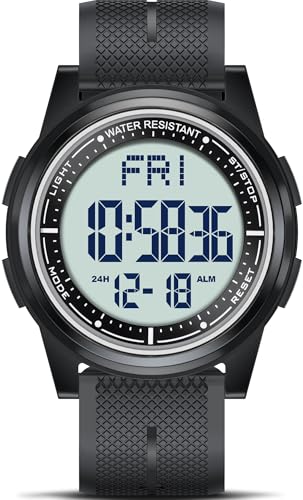
- 7mm-thin, approximately 37g design
- Stopwatch and countdown timer included
- 50-meter water resistance
Best For: Simple workout timing and everyday wear
Best Slim Tracker

- 1.47-inch OLED display and lightweight band
- 25 sports modes with health tracking
- No built-in GPS; works with iOS and Android
Best For: Phone-carrying runners wanting wellness tracking
Best Training Features
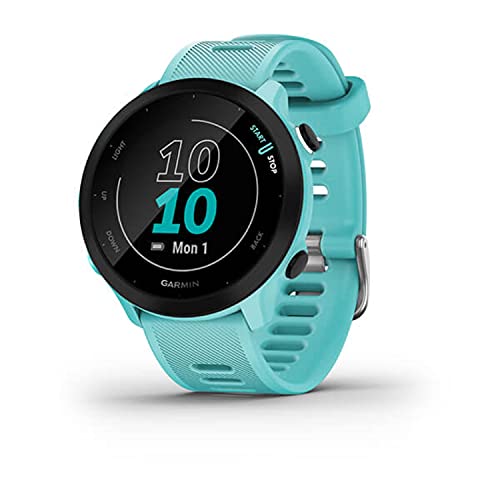
- 37 g design with built-in GPS
- Daily suggested workouts and PacePro guidance
- Up to two weeks in smartwatch mode
Best For: Structured run training and everyday GPS workouts
Best Budget Simplicity

- Compact 33 mm case for smaller wrists
- 1/100-second stopwatch and daily alarm
- Up to seven years of stated battery life
Best For: Simple timed runs and interval sessions
Best Running Analytics
Mibro GS Active2 GPS Running Watch

- 39 g body with dual-band GPS
- Running metrics and adaptive race plans
- 150-plus sports modes and 15-day daily battery
Best For: Training plans, running analytics, and multisport use
Best AMOLED Training Pick – Garmin Forerunner 165
For runners seeking running watches for small wrists, the Garmin Forerunner 165 combines a lightweight 43 mm case with built-in GPS, wrist-based heart-rate tracking, and a bright AMOLED touchscreen. Traditional buttons add practical control during workouts, while the training and recovery features make it useful beyond basic pace tracking.
Best For: Runners who want a compact, feature-rich smartwatch with adaptive training guidance.
Pros:
- Lightweight 43 mm design with an AMOLED display and button controls
- Built-in GPS, wrist-based heart rate, and more than 25 activity profiles
- Personalized workout suggestions, recovery time, and Garmin Coach support
- Up to 11 days in smartwatch mode or 19 hours in GPS mode
Cons:
- Some safety and tracking features require a compatible smartphone and network coverage
- Garmin Pay availability depends on the supported country and payment network
The Forerunner 165 is a strong all-around choice when a smaller case matters but you still want advanced training, health, and smartwatch capabilities.
Best Compact Basic Timer – Timex Ironman Transit 33mm
The 33 mm Timex Ironman Transit is a straightforward option among running watches for small wrists. Its adjustable 12 mm resin strap fits wrists up to 7.5 inches, and the digital display focuses on lap timing, countdowns, alarms, and everyday scheduling rather than GPS or smartphone features.
Best For: Runners who prefer a small, uncomplicated digital watch for timed workouts.
Pros:
- Compact 33 mm case and adjustable 12 mm resin strap
- 100-hour chronograph with 10-lap memory for training sessions
- Includes a 24-hour countdown timer, alarm, two time zones, and calendar
- INDIGLO illumination supports visibility from daylight to darkness
Cons:
- No built-in GPS or heart-rate monitoring is listed
- Battery powered rather than rechargeable
This Timex suits runners who value simple controls, a small fit, and dependable lap timing over connected training analytics.
Best Value GPS Training Watch – Garmin Forerunner 55
The Garmin Forerunner 55 is a practical pick for shoppers comparing running watches for small wrists, with a listed 37 g weight and a 1.04-inch display. It adds GPS-based tracking, personalized suggestions, PacePro, recovery time, and free plans for 5K, 10K, and half-marathon preparation.
Best For: Runners who want guided training and GPS tracking without moving to a more advanced smartwatch.
Pros:
- Lightweight design with a clear 1.04-inch LCD display
- GPS, GLONASS, and Galileo support for position tracking
- Training suggestions, PacePro, finish-time estimates, and recovery time
- Tracks all-day activity, sleep, steps, calories, and heart rate
Cons:
- Uses a smaller monochrome LCD rather than an AMOLED screen
- Listed battery average is up to 20 hours, so frequent GPS use requires regular charging
The Forerunner 55 delivers a useful balance of size, GPS capability, and structured training tools for runners building consistency or preparing for a race.
Best Lap-Memory Digital Watch – Timex Ironman Classic 30
With a 38 mm resin case and adjustable 18 mm strap, the Timex Ironman Classic 30 is a durable, no-frills choice among running watches for small wrists. Its 30-lap memory, countdown timer, alarms, and INDIGLO backlight make it well suited to interval sessions and everyday training.
Best For: Runners and swimmers who need extensive lap memory and straightforward digital timing.
Pros:
- 100-hour chronograph with memory for up to 30 laps
- 24-hour countdown timer, three customizable alarms, and two time zones
- INDIGLO backlight helps keep the display readable in low light
- 100-meter water resistance supports running and swimming use
Cons:
- No GPS or heart-rate monitoring is listed
- The 38 mm case and 18 mm strap are larger than the compact Timex option in this roundup
This Ironman model is a solid choice for athletes who prioritize lap data, timers, and durability over connected features or smartwatch functions.
Best Overall – Garmin vívoactive 5
For runners seeking running watches for small wrists, the 42mm Garmin vívoactive 5 offers a compact case with built-in GPS, extensive training tools, and a bright AMOLED display. Its battery can last up to 11 days in smartwatch mode, making it practical for regular training and everyday wear.
Best For: Runners who want GPS, health insights, adaptive training support, and phone-free music in a feature-rich smartwatch.
Pros:
- 42mm case and lightweight silicone band suit users looking for a smaller running watch.
- Built-in GPS and more than 30 indoor and GPS sports apps support running and other workouts.
- Offers Garmin Coach plans, recovery time, workout benefit, and downloadable music.
- Provides up to 11 days of smartwatch battery life, or up to 5 days with the display always on.
Cons:
- Its many health and training features may be more than casual runners need.
- The notes describe the watch as water resistant to 50 meters, rather than as a specialized diving device.
The vívoactive 5 is the strongest all-around choice here for small-wrist runners who prioritize GPS training and smartwatch features over a basic timepiece.
Best Budget Basic – Beeasy Ultra-Thin Digital Watch
If you want running watches for small wrists without smartwatch complexity, the Beeasy Digital Watch keeps things simple. It has a 7mm-thick case, weighs about 37 grams, and includes a stopwatch and countdown timer for basic workout timing.
Best For: Runners who need an inexpensive, lightweight digital watch for timing workouts and everyday use.
Pros:
- Ultra-thin 7mm case and lightweight construction are comfortable for daily wear.
- Stopwatch measures to 1/100 second, while the countdown timer supports sessions up to 23 hours, 59 minutes, and 59 seconds.
- 50-meter water resistance is suitable for shallow swimming and cold showers according to the notes.
- Includes alarms, dual time zones, a backlight, and a 12/24-hour display option.
Cons:
- No GPS, heart-rate tracking, or other connected fitness metrics are listed.
- The 44mm case may feel broad despite its thin profile on especially narrow wrists.
- It is not intended for long underwater activities such as diving.
The Beeasy is a practical low-cost option when small-wrist comfort and workout timing matter more than route tracking or health data.
Best Slim Tracker – USMECBL Fitness Tracker
Among running watches for small wrists, this fitness tracker offers a slim 1.47-inch OLED display and a lightweight band designed for all-day and overnight wear. It tracks activity, heart rate, sleep, and blood oxygen, but it does not include built-in GPS, so runners will need a phone for route tracking.
Best For: Runners who want a compact health and activity tracker with long battery life and smartphone notifications.
Pros:
- Lightweight, skin-friendly band is designed for continuous wear, including sleep.
- Includes 25 sports modes and automatic tracking of steps, distance, and calories.
- Tracks heart rate, sleep stages, blood oxygen, and other health data throughout the day.
- Works with iOS and Android and can display calls, texts, and app notifications.
Cons:
- No built-in GPS is provided, so it cannot independently record running routes.
- The listed battery details are inconsistent: the notes cite up to 7 days of continuous use and also 10–14 days for regular use.
- Health measurements are tracking features and should not be treated as medical diagnoses.
This tracker is a good fit for runners focused on daily activity and wellness data, provided they are comfortable carrying a phone for GPS.
Best Training Features – Garmin Forerunner 55
For runners seeking running watches for small wrists, the Garmin Forerunner 55 combines a compact 37 g design with built-in GPS, wrist-based heart-rate monitoring, and training guidance. Its button controls and sunlight-visible display make it practical for everyday runs.
Best For: Runners who want structured training tools, reliable GPS basics, and long smartwatch battery life.
Pros:
- Up to 20 hours of GPS battery life and up to two weeks in smartwatch mode.
- Daily suggested workouts adapt to training history, fitness level, and recovery time.
- Includes PacePro pace guidance, race predictions, recovery tools, and multiple sport profiles.
- Lightweight 37 g case with wrist-based heart-rate monitoring and built-in GPS.
Cons:
- The 1.04-inch display is relatively compact for viewing multiple data fields.
- PacePro is not compatible with on-device courses.
- Some customization features require Garmin Connect and Connect IQ smartphone apps.
The Forerunner 55 is a well-rounded choice when training support matters more than a touchscreen or advanced mapping. Its lightweight build and extended battery make it especially suitable for regular runners who prefer a focused, running-oriented watch.
Best Budget Simplicity – Casio F91W Digital Watch
The Casio F91W is a compact, lightweight alternative for shoppers comparing running watches for small wrists. It focuses on essential timing rather than GPS or connected training, with a digital display, stopwatch, alarm, LED light, and adjustable resin band.
Best For: Runners who only need basic timekeeping and stopwatch functions in a small, lightweight watch.
Pros:
- Compact 33 mm case and lightweight 1.9-ounce construction.
- Includes a 1/100-second stopwatch, daily alarm, LED light, and hourly time signal.
- Adjustable resin band and 100-meter water resistance rating.
- Long stated battery life of up to seven years.
Cons:
- Does not include GPS, heart-rate monitoring, or connected training features.
- Provides basic stopwatch timing rather than pace, distance, or route data.
- The digital display and simple controls may feel limited for data-focused training.
The F91W is best viewed as a dependable running timer rather than a modern GPS running watch. Its small case, low weight, and simple operation make it a practical pick for track sessions, timed intervals, or runners who prefer minimal distractions.
Best Running Analytics – Mibro GS Active2 GPS Running Watch
The Mibro GS Active2 offers a lightweight 39 g body and dedicated running analytics for shoppers considering running watches for small wrists. It adds dual-band GPS, adaptive training plans, running metrics, and a bright 1.32-inch AMOLED display for runners who want more guidance.
Best For: Runners who want detailed training metrics, adaptive plans, and broad multisport functionality.
Pros:
- Lightweight 39 g body with a nylon band for extended running sessions.
- Professional running mode tracks cadence, stride, pace, running ability index, and VO₂ Max trends.
- Includes adaptive plans for 5K, 10K, and half-marathon goals.
- Dual-band GPS, 150-plus sport modes, 5ATM water resistance, and up to 15 days of daily battery life.
Cons:
- The 46 mm case is larger than the compact watches in this roundup.
- GPS battery life is approximately 15 hours.
- It is not suitable for hot spring baths or hot showers.
The GS Active2 delivers the most extensive running and multisport feature set here, but its 46 mm diameter may not suit every small wrist. Consider it when training analysis and planning are priorities and you are comfortable with a larger case.
How We Picked the Best Running Watches for Small Wrists
We focused on watches with relatively compact cases, lightweight construction, practical workout controls, and features that matter during or after a run. The lineup includes dedicated GPS running watches, multisport-oriented smartwatches, basic interval and stopwatch watches, and affordable activity trackers.
Because wrist comfort depends on more than case diameter, we also considered strap flexibility, overall thickness, display usability, battery expectations, water resistance, and whether the watch offers useful training or health data. Product specifications and capabilities can vary by model and seller, so confirm the latest details before purchasing.
Quick Comparison
| Type | Best For | Features to Expect | Trade-Off |
|---|---|---|---|
| GPS running smartwatch | Training plans and pace tracking | Built-in GPS, workout metrics, notifications | Higher price and more charging |
| Fitness smartwatch | Running plus everyday health tracking | Activity, sleep, heart-rate, and smart features | May be less running-focused |
| Fitness tracker | Basic activity and wellness monitoring | Steps, calories, sleep, and heart-rate data | Usually fewer advanced run metrics |
| Digital sports watch | Simple timing and durability | Stopwatch, alarms, countdowns, and timekeeping | Typically no GPS or app analysis |
Key Buying Factors for Running Watches for Small Wrists
Case Size, Thickness, and Weight
A case around 30–43mm will usually feel less intrusive than a large outdoor or multisport watch, though proportions matter. A thin case and flexible strap can be more comfortable than a slightly smaller but bulky design. Check both case dimensions and weight, not just the advertised screen size.
GPS and Workout Accuracy
If you want pace, distance, route maps, or structured workouts without carrying a phone, choose a watch with built-in GPS. Basic digital watches and many low-cost trackers may only time a workout or estimate activity. For serious training, look for lap buttons, interval tools, suggested workouts, and reliable GPS modes.
Battery Life and Charging
Long battery life is useful for runners who dislike frequent charging, while GPS use generally reduces runtime. Consider whether you want a simple watch that lasts for months or a smartwatch that may need charging every few days. Also check whether GPS and smartwatch battery claims are measured under different usage conditions.
Comfort, Visibility, and Water Resistance
Look for a secure silicone or resin strap, readable digits in motion, physical buttons if you run in rain, and water resistance appropriate for sweat and workouts. A smaller screen can still work well if the data fields are clear and customizable.
Who Should Buy Which Running Watches for Small Wrists?
- Choose a dedicated Garmin running watch if you want GPS training metrics, workout guidance, and a running-first interface in a compact case.
- Choose a fitness smartwatch or GPS model from Garmin or mibro if you want running tools alongside notifications, wellness tracking, or broader daily-use features.
- Choose a fitness tracker if steps, sleep, heart rate, and general activity matter more than detailed pace or route data.
- Choose a Timex, Casio, or similar digital sports watch if you mainly need dependable timekeeping, stopwatch functions, alarms, and a low-maintenance design.
- Choose an ultra-affordable sports watch if you want basic timing and water resistance without paying for GPS or advanced app features.
The best Running Watches for Small Wrists should stay secure and comfortable throughout a workout while providing only the data you will actually use. Prioritize fit first, then select GPS, health tracking, smart features, or simple timing according to your training goals.