The best sleeping bags for backpacking balance warmth, weight, packed size, weather resistance, and price. The right choice depends on your expected temperatures, sleeping style, trip length, and whether you prioritize low pack weight or everyday versatility.
Our roundup includes down and synthetic mummy bags, warm-weather options, family-friendly designs, and budget-conscious picks. Use the guide below to narrow the list by insulation, temperature rating, portability, and intended use.
Best 10 Sleeping Bags for Backpacking Picks for 2026
Best Sustainable Down Pick

- 550-fill-power RDS-certified down
- 20-degree three-season rating
- Recycled, PFAS-free fabric construction
Best For: Backpackers wanting a compact down bag with sustainability-focused materials
Best Lightweight Warm-Weather Value

- 50–80°F comfort range
- Water-resistant, machine-washable shell
- Compression sack with carrying straps
Best For: Warm-weather backpackers and families wanting a simple rectangular bag
Best Down Value

- 550-fill RDS-certified down insulation
- Two-way zipper supports ventilation
- Compatible with a second bag for two-person use
Best For: Three-season backpackers wanting compressible down and a roomier shape
Best Cold-Weather Option

- Available in 0-, 20-, and 30-degree versions
- Roomier mummy design improves mobility
- Compression sack is included
Best For: Cold-weather campers and backpackers prioritizing warmth over low weight
Best Ultralight Budget Pick

- Weighs 1.5 pounds and packs very small
- 79-inch length suits taller campers
- Machine-washable continuous microfiber fill
Best For: Summer backpackers wanting low weight and easy-care synthetic insulation
Best Overall Mummy Bag
Teton 20°F Lightweight Sleeping Bag

- 20°F rating with hood and draft protection
- Microfiber insulation compresses for packing
- Includes compression sack; weighs 2.9 pounds
Best For: Three-season backpacking and camping
Best Lightweight Warm-Weather Pick
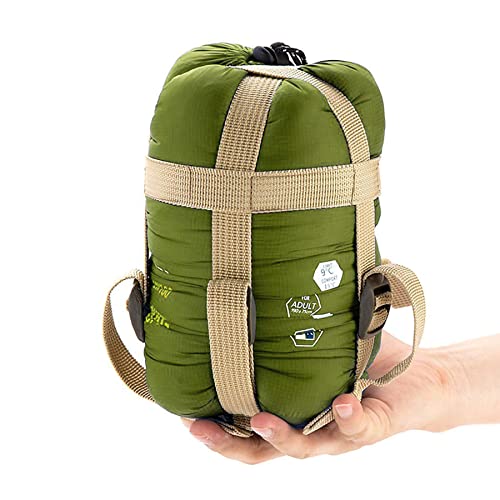
- Weighs just 1.5 pounds
- Compresses to about 11 inches high
- Waterproof nylon shell with polyester lining
Best For: Warm-weather backpacking and hiking
Best Sustainable Down Pick – Kelty Cosmic 20 Down
The Kelty Cosmic 20 Down is a strong choice for backpackers who want a compressible three-season sleeping bag with responsibly sourced down and recycled fabrics. Its 20-degree rating, mummy shape, and roughly 2-pound-6-ounce regular weight suit cooler backcountry nights without excessive bulk.
Best For: Backpackers seeking a warm, compact down bag with sustainability-focused materials.
Pros:
- 550-fill-power, RDS-certified down provides a lightweight and compressible design.
- 20-degree rating is suited to three-season camping and cooler nights.
- Recycled shell and liner fabrics use PFAS-free DWR.
- Dual-direction zippers and a soft taffeta interior emphasize campsite comfort.
Cons:
- Down insulation can be less forgiving than synthetic fill in persistently damp conditions.
- The regular model weighs more than some ultralight backpacking bags.
With its traceable down, recycled fabrics, and practical 20-degree rating, the Cosmic 20 balances comfort, packability, and responsible construction for general backpacking use.
Best Spacious Budget Option – SOULOUT 3-4 Season Sleeping Bag
The SOULOUT 3-4 Season sleeping bag is a roomy rectangular option for casual camping, travel, and entry-level backpacking. Its polyester construction, water-resistant outer shell, and 32–77°F temperature range prioritize versatility and comfort over minimum trail weight.
Best For: Campers and occasional backpackers who prefer extra room and easy-care synthetic insulation.
Pros:
- Spacious 86.6-by-32.7-inch envelope design fits users up to 7.1 feet.
- Water-resistant shell helps repel light rain, moisture, and dew.
- Machine-washable polyester construction is convenient to maintain.
- Includes a stuff sack and packs to approximately 9.1 by 13.8 inches.
Cons:
- At about 4.5 pounds, it is relatively heavy for serious backpacking.
- The rectangular shape is less thermally efficient than a mummy design.
- The listed temperature range is broad rather than a conventional cold-weather rating.
This bag makes more sense for comfort-oriented trips and car camping than weight-conscious long-distance routes, but its generous dimensions and washable synthetic build are practical for mixed outdoor use.
Best Damp-Weather Synthetic Pick – Kelty Cosmic Synthetic 20
The Kelty Cosmic Synthetic 20 is a practical choice among sleeping bags for backpacking when reliable warmth in damp conditions matters. Its Cirroloft synthetic insulation, 20-degree rating, compression stuff sack, and roughly 2-pound-13-ounce regular trail weight create a balanced setup for three-season trips.
Best For: Backpackers who want synthetic insulation that retains coverage in cold and damp conditions.
Pros:
- Cirroloft synthetic fill is designed to maintain loft in cold, damp conditions.
- Integrated compression stuff sack improves packability.
- Natural-fit footbox provides additional room for toes.
- Available temperature ratings range from 0 to 40 degrees.
Cons:
- Synthetic insulation is generally bulkier than comparable down insulation.
- The regular model weighs about 2 pounds 13 ounces before other gear is added.
For wet-prone routes or campers who prefer straightforward synthetic care, the Cosmic Synthetic 20 offers useful warmth and storage features without abandoning backpacking-oriented design.
Best Lightweight Warm-Weather Value – MalloMe 3-Season Sleeping Bag
The MalloMe 3-Season sleeping bag is a lightweight rectangular option for warm-weather camping and simple backpacking trips. It weighs about 3 pounds, fits adults up to 6 feet, and combines synthetic fill with a water-resistant outer shell and compression sack.
Best For: Warm-weather backpackers, families, and campers seeking an affordable, easy-to-carry rectangular bag.
Pros:
- Comfort range of approximately 50–80°F suits spring, summer, and mild fall use.
- Water-resistant outer shell helps protect against moisture.
- Compression sack with straps makes transport easier.
- Machine-washable design and wipe-clean shell simplify maintenance.
Cons:
- The warm-weather rating is not intended for genuinely cold conditions.
- Rectangular construction is less compact and heat-efficient than a mummy bag.
- Its 3-pound weight may be more than ultralight backpackers prefer.
The MalloMe is best viewed as a versatile warm-season bag rather than a cold-weather backpacking model. Its manageable weight, simple care, and included compression sack make it useful for casual trips and family outings.
Best Down Value – Kelty Galactic Down 30
The Kelty Galactic Down 30 is a strong choice for backpackers who want the compressibility and low weight of down without paying premium fill-power prices. Its 30-degree rating, rectangular shape, and 2-pound-14-ounce packed weight make it a versatile option among sleeping bags for backpacking.
Best For: Three-season backpacking, camping, and hikers who value compressible down insulation with extra room.
Pros:
- 550-fill RDS-certified, traceable down provides lightweight insulation.
- Two-way zippers allow foot ventilation and temperature adjustment.
- Two bags can zip together to create a two-person setup.
- Includes a stuff sack and uses PFC-free fabric finishes.
Cons:
- At 2 pounds 14 ounces, it is not the lightest option in this lineup.
- The 30-degree rating may be limiting for colder conditions.
- Its 15-by-8-inch stuffed size is larger than some ultralight bags.
The Galactic Down 30 balances comfort, durability, and packability well. It is especially appealing if you want a roomier rectangular bag or the flexibility to zip two bags together.
Best Cold-Weather Option – TETON Sports LEEF Mummy
The TETON Sports LEEF is designed for backpackers who prioritize warmth and a compact mummy profile. With a 0-degree regular version, roomier mummy design, and included compression sack, it is a practical pick for colder trips where sleeping bags for backpacking need to handle more challenging conditions.
Best For: Cold-weather camping, hiking, and backpacking when warmth and a supportive mummy shape matter more than minimum weight.
Pros:
- Available in 0-, 20-, and 30-degree temperature options.
- Roomier mummy shape allows easier movement than a traditional narrow mummy bag.
- Includes a compression sack for more manageable packing.
- Backed by TETON Sports’ lifetime warranty for the original owner.
Cons:
- The listed 0-degree regular version weighs 4.2 pounds.
- Its 72-inch maximum height recommendation may not suit taller users.
- It uses synthetic microfiber insulation, which is less compressible than down.
The LEEF favors warmth, room, and multiple temperature choices over ultralight performance. Choose it when dependable cold-weather coverage is more important than keeping your pack as light as possible.
Best Ultralight Budget Pick – Compact 1.5-Pound Adult Bag
This compact envelope sleeping bag stands out for its 1.5-pound weight and small 4.7-by-7.9-inch packed size. For summer trips, casual hikes, and lightweight sleeping bags for backpacking, its 79-inch length offers useful room while the synthetic fill keeps care simple.
Best For: Summer backpacking, warm-weather camping, teens, and hikers seeking a lightweight, machine-washable bag.
Pros:
- Weighs 1.5 pounds and packs down to roughly soccer-ball size.
- 79-inch length accommodates users up to 6 feet 7 inches, as recommended.
- Continuous 100gsm microfiber fill is designed to resist clumping after washing.
- Dual-side auto-lock zipper supports easy access and helps prevent accidental opening.
Cons:
- Its stated comfort range of 50°F to 77°F makes it primarily a warm-weather bag.
- The envelope shape offers less close-fitting insulation than a mummy design.
- There is no listed warranty.
This bag is compelling when minimum packed weight, generous length, and easy washing are the priorities. It is best reserved for mild conditions rather than dependable cold-weather use.
Best Overall Mummy Bag – Teton 20°F Lightweight Sleeping Bag
For backpackers who want a warmer, more structured option, the Teton 20°F is a practical pick among sleeping bags for backpacking. Its mummy shape, hood, draft tubes, and insulated footbox are designed to help retain warmth, while the included compression sack simplifies packing.
Best For: Three-season backpacking and camping when warmth, a mummy fit, and compressibility matter.
Pros:
- 20°F rating with a hood, zipper draft tubes, and insulated footbox.
- Microfiber insulation offers loft and compressibility.
- Includes a compression sack and weighs 2.9 pounds.
- Lifetime warranty against covered material and workmanship defects.
Cons:
- Heavier than the 1.5-pound warm-weather option in this roundup.
- The mummy shape may feel more restrictive than an envelope design.
Choose this model when warmth and supportive mummy construction are higher priorities than the lightest possible pack weight. Its storage loops and compression sack also make it convenient for regular outdoor use.
Best Lightweight Warm-Weather Pick – ECOOPRO Compact Sleeping Bag
The ECOOPRO is a lightweight choice for warm-weather sleeping bags for backpacking. It weighs 1.5 pounds, compresses to about 11 inches in height, and combines a water-resistant nylon exterior with a breathable polyester lining for summer-oriented trips.
Best For: Warm-weather backpacking, hiking, camping, and travelers who prioritize low pack weight.
Pros:
- Light 1.5-pound design is easy to carry.
- Compresses into the included sack for compact transport.
- Waterproof nylon shell and smooth zipper closure.
- 83-by-30-inch dimensions fit most adults.
Cons:
- Designed for temperatures around 55°F to 60°F, so it is not the strongest cold-weather choice.
- Envelope shape may provide less heat retention than a mummy bag.
This is a sensible option for summer outings and mild conditions where packability matters most. For colder three-season trips, consider a warmer-rated bag instead.
Best Budget Roomy Option – 3-Season Rectangular Sleeping Bag
This rectangular sleeping bag offers a roomier alternative for casual sleeping bags for backpacking and outdoor travel. Its 31.5-inch width, drawstring hood, weather-resistant polyester shell, and compressed packing size make it suited to budget-conscious three-season campers.
Best For: Campers and families seeking an affordable, roomy bag for mild three-season conditions.
Pros:
- Spacious 31.5-by-86.6-inch rectangular design.
- Drawstring hood helps keep the head warm.
- Foot zipper allows ventilation or added warmth control.
- Waterproof, breathable outer fabric and included compression bag.
Cons:
- At 3.3 pounds, it is the heaviest option in this selection.
- Its stated design range of 50°F to 68°F is less suited to cold conditions.
- Recommended for users up to about 5 feet 11 inches tall.
Pick this bag if interior room and practical features are more important than minimizing pack weight. Its temperature range makes it a better match for mild trips than for genuinely cold-weather backpacking.
How We Picked the Best Sleeping Bags for Backpacking
We evaluated these bags around the factors that matter most on the trail: insulation type, stated temperature range, packed size, weight-conscious design, weather resistance, included compression or storage accessories, and overall versatility. We also considered whether each model suits backpacking specifically or is better for car camping, children, occasional use, or mild-weather trips.
Temperature ratings are useful for comparison, but they are not guarantees. Personal comfort, clothing, sleeping pads, humidity, wind, and campsite conditions all affect warmth. When possible, choose a bag with a rating below the coldest temperature you realistically expect.
Quick Comparison
| Best For | Look For |
|---|---|
| Ultralight or compact packing | Down insulation, efficient mummy shape, and a small compression size |
| Wet or changeable conditions | Synthetic fill and a water-resistant shell |
| Summer backpacking | Warm-weather rating, lighter construction, and breathable materials |
| Cold-weather trips | A lower temperature rating, draft protection, and a well-fitting hood |
| Budget or occasional camping | Affordable synthetic insulation and included stuff or compression sacks |
| Couples or flexible setups | Compatible zippers or a design that can zip together |
Key Buying Factors for Sleeping Bags for Backpacking
Temperature Rating
Match the rating to your coldest expected night rather than the average daytime temperature. A warmer bag can be vented in mild weather, while an insufficiently warm bag is difficult to fix at camp. Also check whether the rating describes a comfort, limit, or survival temperature.
Down Versus Synthetic Insulation
Down typically offers excellent warmth for its weight and compresses efficiently, making it attractive for long-distance backpacking. Synthetic fill generally costs less, dries faster, and retains more insulating ability when damp. For humid climates, uncertain weather, or frequent budget trips, synthetic can be the more practical choice.
Fit, Shape, and Packed Size
Mummy bags conserve heat and reduce bulk, but rectangular designs offer more room to move. Check the shoulder, hip, and foot dimensions before buying. A compression sack can help with packing, but avoid storing down or synthetic insulation compressed for long periods.
Weather Protection and Extras
Look for a durable shell, water-resistant treatment, draft collar or tube, hood adjustability, and a reliable zipper. These details can matter as much as the insulation when wind, condensation, or damp ground threatens comfort.
Who Should Buy Which Sleeping Bags for Backpacking?
Choose a lightweight down mummy such as the Kelty Cosmic or Galactic when low pack weight and compact storage are priorities. Pick a synthetic Kelty Cosmic, Teton LEEF, or Teton 20F/5F model when durability, value, and damp-weather practicality matter more. Warm-weather bags from ECOOPRO or similar compact designs make sense for summer camping and mild climates. Families and occasional campers may prefer the MalloMe, SOULOUT, or other roomy budget options, while cold-weather users should favor the lowest suitable temperature rating, strong draft protection, and enough room for insulating layers.