The best aluminum balance bikes give young riders a lightweight, sturdy way to learn balance, steering, and coordination before moving to a pedal bike. The right model should feel easy to control while offering enough adjustability to fit a growing child.
We compared 10 popular options across age range, frame design, seat height, tire type, braking features, and everyday practicality so you can choose a balance bike that matches your child’s size, confidence, and riding environment.
Best 10 Aluminum Balance Bikes Picks for 2026
Best Lightweight Pick
Strider 12 Pro Aluminum Balance Bike
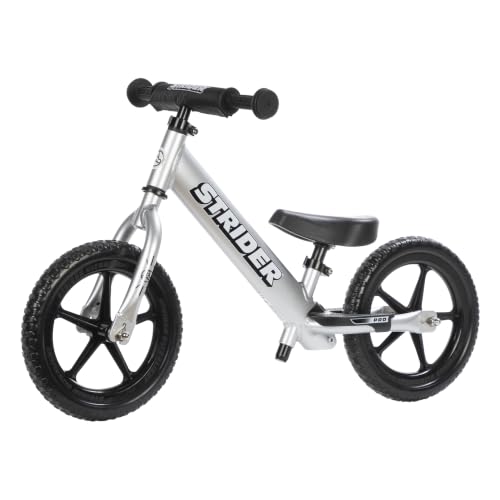
- 5.6-pound aluminum frame
- 11–17-inch adjustable seat
- Flat-free foam rubber tires
Best For: Toddlers and preschoolers needing lightweight handling
Best High-Capacity Option
SEREED Adjustable Toddler Balance Bike
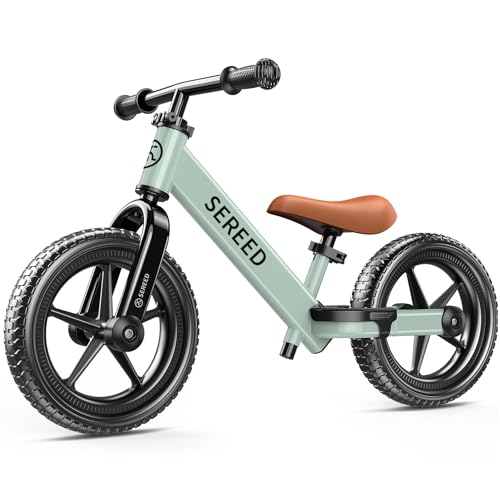
- 110-pound stated capacity
- Tool-free seat and handlebar adjustment
- Quiet, never-flat EVA tires
Best For: Ages 2–5 needing adjustability and a sturdy frame
Best Value Strider
Strider 12 Sport No-Pedal Balance Bike

- 6.7-pound lightweight frame
- 11–17-inch adjustable seat
- Never-flat 12-inch foam tires
Best For: Ages 1–4 starting with a simple balance bike
Best Personalized Pick
KRIDDO Adjustable Toddler Balance Bike

- 110-pound stated capacity
- Quick-release seat and handlebar adjustment
- Customizable plate with sticker sets
Best For: Ages 2–5 wanting stability and personalization
Lightweight Air-Tire Pick

- Inflatable rubber tires for pavement, gravel, and indoor use
- 8.5-pound design is easy to steer and transport
- Adjustable seat and handlebars for growing riders
Best For: Kids ages 3–5 learning balance on varied surfaces
Big-Kid Air-Tire Choice
16-Inch Balance Bike for Ages 4–8

- 16-inch pneumatic tires cushion rides on varied terrain
- Adjustable seat fits 17.9–22.4-inch heights
- Stable triangular carbon-steel frame for larger riders
Best For: Older or bigger children transitioning from smaller bikes
Best Aluminum Frame Option
Retrospec Cub Plus XL Balance Bike

- Rust-resistant aluminum frame for outdoor durability
- Front and rear adjustable hand brakes
- 14-inch air tires and adjustable 15–21-inch seat
Best For: Young riders needing aluminum construction and hand-brake control
Premium Lightweight Pick

- 9.6-pound aluminum frame
- Adjustable 14-inch saddle height
- Rear brake, steering limiter, and footrest
Best For: Young riders learning balance and braking on paved surfaces
All-Terrain Value Pick

- 8.16-pound lightweight composite frame
- Air-filled, anti-slip rubber tires
- Adjustable seat for ages 3 to 6
Best For: Young riders exploring pavement, grass, gravel, and trails
Early Starter Pick

- Ultra-low frame for easy mounting
- Adjustable seat and handlebars
- Air tires and child-sized V-brake
Best For: Toddlers ages 18 months to 4 years starting to ride
Best Lightweight Pick – Strider 12 Pro Aluminum Balance Bike
For families prioritizing easy handling, the Strider 12 Pro is a standout among aluminum balance bikes. Its 5.6-pound frame, adjustable fit, and flat-free tires are designed to help young riders control and enjoy the bike with minimal maintenance.
Best For: Toddlers and preschoolers ages 1–5 who need a particularly lightweight, adjustable balance bike.
Pros:
- Ultralight aluminum frame weighs just 5.6 pounds.
- Seat adjusts from 11 to 17 inches, accommodating a 12–20-inch inseam.
- Flat-free foam rubber tires require no puncture repairs.
- Supports riders up to 60 pounds and includes a two-year limited warranty.
Cons:
- Its 60-pound weight limit is lower than some competing models.
- The regular seat-post fit may be less suitable for children outside the listed inseam range.
The Strider 12 Pro combines low weight with a broad adjustment range, making it a practical choice when portability and rider control matter most.
Best High-Capacity Option – SEREED Adjustable Toddler Balance Bike
The SEREED toddler bike offers a sturdy carbon steel frame, tool-free adjustments, and quiet EVA foam tires. For shoppers comparing aluminum balance bikes with other frame materials, it stands out for its high stated weight capacity and personalization features.
Best For: Children ages 2–5 whose parents want easy seat and handlebar adjustments plus a high weight rating.
Pros:
- Seat adjusts from 11.8 to 16.5 inches and handlebars from 19.6 to 22.5 inches without tools.
- Carbon steel frame supports up to 110 pounds.
- Never-flat EVA tires are noiseless and suitable for indoor or outdoor use.
- Includes a customizable plate and stickers.
Cons:
- At 7.8 pounds, it is heavier than the Strider 12 Pro.
- It has no brakes, so riders rely on their feet for stopping.
Although it is not aluminum, the SEREED is a compelling alternative for families who value a sturdy frame, broad capacity, and tool-free fit adjustments.
Best Value Strider – Strider 12 Sport No-Pedal Balance Bike
The Strider 12 Sport is a straightforward choice for early riders learning balance and steering. While its frame is lightweight steel rather than aluminum, it provides adjustable contact points, never-flat tires, and a 60-pound capacity in a familiar no-pedal design.
Best For: Children ages 1–4 who need a simple first balance bike with a lightweight frame and low-maintenance tires.
Pros:
- Lightweight 6.7-pound steel frame is manageable for young riders.
- Seat adjusts from 11 to 17 inches for children with a 12–18-inch inseam.
- 12-inch foam rubber tires are never flat and require no maintenance.
- Includes tools for easy assembly and supports up to 60 pounds.
Cons:
- Steel frame is heavier than the Strider 12 Pro’s aluminum frame.
- The listed age range ends at 4 years, narrower than some alternatives.
The 12 Sport keeps the essential balance-bike features practical and uncomplicated, making it a solid option when adjustable fit and dependable tires are more important than an aluminum frame.
Best Personalized Pick – KRIDDO Adjustable Toddler Balance Bike
The KRIDDO toddler balance bike emphasizes stability, personalization, and a fit that can change as a child grows. It is another carbon steel alternative to aluminum balance bikes, with thick never-flat tires and a removable plate that makes the bike feel more personal.
Best For: Toddlers ages 2–5 who want a customizable bike with a sturdy frame and adjustable fit.
Pros:
- Adjustable seat and handlebars use a quick-release mechanism.
- Wide carbon steel frame supports up to 110 pounds.
- Extra-thick puncture-resistant tires are designed for grass and sidewalks.
- Includes a removable plate and three sticker sets for personalization.
Cons:
- Carbon steel construction is not as lightweight as an aluminum frame.
- The listed manufacturer age range begins at 24 months, so it is not aimed at younger one-year-old riders.
For families seeking a durable-feeling starter bike with strong personalization features, the KRIDDO offers useful adjustability and a high stated weight capacity.
Lightweight Air-Tire Pick – bicystar 14-Inch Balance Bike
The bicystar 14-inch model is a practical choice among aluminum balance bikes alternatives for younger riders who need grippy tires and an easy-to-handle frame. Its inflatable rubber tires are designed for pavement, gravel, and indoor riding, while the adjustable seat and handlebars help accommodate growing children.
Best For: Kids ages 3–5 who need a lightweight balance bike with air tires and generous adjustability.
Pros:
- Real rubber air tires provide traction on gravel and smooth indoor rolling.
- Light 8.5-pound construction is easier for children to steer and for parents to transport.
- Adjustable seat and handlebars support a range of rider sizes.
- Padded seat, soft grips, and a coasting footrest add comfort during practice.
Cons:
- The frame is carbon steel rather than aluminum.
- It uses a coaster-style brake, so it lacks the hand-brake setup found on some models.
Choose this bicystar if low weight, inflatable tires, and a confidence-building fit matter more than having an aluminum frame or hand brakes.
Big-Kid Air-Tire Choice – 16-Inch Balance Bike for Ages 4–8
This 16-inch balance bike is aimed at larger or more experienced children moving up from a smaller bike or tricycle. Although it is not an aluminum model, its carbon-steel triangular frame, pneumatic rubber tires, and adjustable seat make it a sturdy option for paved roads and unpaved trails.
Best For: Big kids ages 4–8 who need a larger balance bike for outdoor riding.
Pros:
- Large pneumatic rubber tires absorb bumps across grass, gravel, and pavement.
- Triangular carbon-steel frame is designed for stability and durability.
- Seat adjusts from 17.9 to 22.4 inches with a quick-release clamp.
- 40-kilogram maximum weight recommendation suits larger riders.
Cons:
- The 6-kilogram weight may be less convenient to carry than lighter models.
- It has no brake system listed.
- The carbon-steel frame does not provide aluminum’s material advantage.
This model makes sense when your child has outgrown smaller balance bikes and needs a stable, full-size platform with air-filled tires, but parents should account for its heavier construction and lack of listed brakes.
Best Aluminum Frame Option – Retrospec Cub Plus XL Balance Bike
The Retrospec Cub Plus XL is the clearest match for shoppers specifically comparing aluminum balance bikes. Its rust-resistant aluminum frame, low step-through design, adjustable fit, air-filled tires, and front and rear hand brakes create a well-equipped option for young riders practicing on pavement, grass, or gravel.
Best For: Kids ages 4–6 who need an aluminum balance bike with hand brakes and room to grow.
Pros:
- Rust-resistant aluminum frame is built for weather and rough play.
- Front and rear V-brakes have adjustable levers designed for small hands.
- Seat adjusts from 15 to 21 inches, and the handlebars are also adjustable.
- Wide 14-inch air tires provide traction and comfort on mixed surfaces.
Cons:
- At 10.3 pounds, it is heavier than the bicystar 14-inch model.
- Its 80-pound maximum weight recommendation is lower than the larger 16-inch model.
- Air tires require inflation and may need more upkeep than foam tires.
For buyers prioritizing an aluminum frame, rust resistance, and hand-braking control, the Cub Plus XL is the most feature-complete choice here. Its low step-through frame also makes mounting easier for newer riders.
Premium Lightweight Pick – woom GO 1 PLUS
For families prioritizing a light, confidence-building ride, the woom GO 1 PLUS is a strong choice among aluminum balance bikes. Its 14-inch format, adjustable saddle, rear hand brake, steering limiter, and built-in footrest are designed for young riders learning to balance, steer, and stop.
Best For: Children ages 3 to 4.5, or taller toddlers, with 14.8- to 18.5-inch inseams and heights from 37 to 43 inches.
Pros:
- Lightweight 9.6-pound aluminum frame is easy to ride and carry.
- Adjustable saddle and 132-pound weight limit accommodate growing riders.
- Child-sized rear brake lever helps introduce controlled stopping.
- Steering limiter and footrest support stability and comfortable coasting.
Cons:
- Its fit range is narrower than some models, so measuring inseam and height is important.
- Designed primarily for paved roads and urban terrain.
The woom GO 1 PLUS stands out for its lightweight aluminum construction and thoughtful learning features. It is especially appealing when proper fit, easy handling, and early braking skills matter more than all-terrain capability.
All-Terrain Value Pick – Ridego 14-Inch Balance Bike
The Ridego 14-inch balance bike is a practical option for children who will ride beyond smooth sidewalks. While its frame uses glass-reinforced nylon rather than aluminum, its low 8.16-pound weight, air-filled tires, adjustable seat, and grippy tread make it worth considering alongside aluminum balance bikes.
Best For: Children ages 3 to 6 and families wanting a lightweight bike for pavement, grass, gravel, and backyard riding.
Pros:
- Air-filled rubber tires provide shock absorption across varied surfaces.
- Lightweight 8.16-pound frame supports easy handling and carrying.
- Adjustable 14.2- to 18.3-inch seat height grows with the rider.
- Footrest, padded saddle, and non-slip handlebars add comfort and control.
Cons:
- The frame is fiber-reinforced composite, not aluminum.
- It uses a coaster brake rather than a hand-operated brake.
- Air tires may require more maintenance than solid tires.
Choose the Ridego when surface versatility and low weight are priorities. Its air tires and tread are better suited to mixed terrain, while the composite frame keeps it outside the aluminum category despite offering similar portability.
Early Starter Pick – Retrospec Cub Plus
The Retrospec Cub Plus is built for very young beginners and offers several confidence-oriented features to compare with aluminum balance bikes. Its rust-resistant lightweight frame, ultra-low step-through design, adjustable fit, air-filled tires, and V-brake are aimed at making first rides easier.
Best For: Toddlers ages 18 months to 4 years who need easy mounting and a beginner-friendly setup.
Pros:
- Ultra-low frame makes getting on and off less intimidating.
- Adjustable seat and handlebars extend the useful fit range.
- Air-filled tires support smoother rides across outdoor terrain.
- Child-sized adjustable V-brake introduces stopping skills.
Cons:
- The frame and wheels are listed as alloy steel, not aluminum.
- Its 50-pound maximum weight is lower than the woom and Ridego models.
- At 9 pounds, it is not the lightest option in this group.
The Cub Plus is a sensible first balance bike when low step-over height and approachable controls matter most. It suits smaller beginners particularly well, though older or heavier riders may benefit from a higher-capacity model.
How We Picked the Best Aluminum Balance Bikes
We focused on balance bikes with lightweight aluminum or similarly weight-conscious frames, prioritizing models that are easier for children to lift, steer, stop, and maneuver. We also considered published age and size ranges, seat adjustability, tire construction, wheel size, hand-brake availability, assembly needs, and likely use on sidewalks, driveways, parks, and smooth trails.
Because children develop at different rates, age labels are only a starting point. A properly fitted bike should let the rider sit comfortably with both feet flat or nearly flat on the ground and maintain a slight bend in the knees.
Quick Comparison
| Best For | What to Look For |
|---|---|
| Young beginners | Low minimum seat height, light frame, and simple controls |
| Growing toddlers | Wide seat-height adjustment and durable puncture-resistant tires |
| Older or taller children | Larger wheels, higher seat range, and a longer usable fit |
| Outdoor riding | Air tires or substantial rubber tires for improved comfort |
| Brake practice | A child-sized hand brake with an accessible lever |
Key Buying Factors for Aluminum Balance Bikes
Fit and Adjustability
Measure your child’s inseam and compare it with the manufacturer’s minimum and maximum seat heights. A broad adjustment range can extend the bike’s useful life, but a larger bike is not automatically better if the child cannot plant both feet securely.
Weight and Frame Strength
A balance bike should be light enough for a child to move independently. Aluminum frames can reduce carrying weight while providing useful durability, but inspect the total bike weight rather than judging the frame material alone. Tires, wheels, brakes, and accessories all affect handling.
Tires and Riding Surface
Foam or solid rubber tires are low-maintenance and convenient for indoor surfaces, sidewalks, and short neighborhood rides. Air tires generally provide more cushioning and traction on uneven outdoor paths, though they require occasional inflation and can puncture.
Brakes and Controls
Many beginners stop by placing their feet on the ground, so a hand brake is not essential for every toddler. It becomes more useful as speed, confidence, and riding distance increase. If included, the lever should be easy for small hands to reach and squeeze.
Safety and Maintenance
Check that the headset, wheels, seat clamp, and handlebar are secure before every ride. Use a properly fitted helmet, choose an open riding area away from traffic, and follow the manufacturer’s weight and age guidance.
Who Should Buy Which Aluminum Balance Bikes?
Choose a compact, low-seat model for a smaller toddler or first-time rider who needs maximum stability. A highly adjustable aluminum balance bike is a better choice for families hoping to use one bike through multiple growth stages. Select air-tire models for children who will ride outdoors over mixed pavement and paths, while solid-tire designs suit parents who prefer minimal maintenance.
For taller preschoolers and early elementary-age riders, consider a larger 14- or 16-inch option with a higher seat range. Models with a hand brake are especially suitable for confident riders preparing to transition to a pedal bike. Whichever style you choose, prioritize a secure fit and manageable weight over extra features.