The best balance bike for toddlers makes those first rides feel manageable while helping children develop steering, balance, and confidence. The right model should fit your child now, remain easy to control, and match how and where they will ride.
We compared 10 toddler bikes across age ranges, adjustability, wheel design, portability, and added features to help you choose a practical first ride for your family.
Best 10 Balance Bike for Toddlers Picks for 2026
Best First Birthday Pick
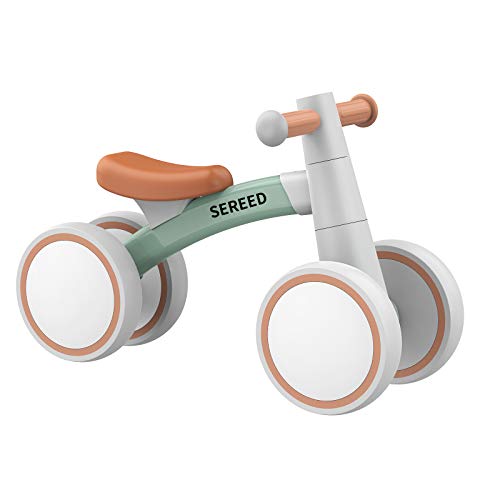
- Made for ages 12–24 months
- Lightweight aluminum frame
- Stable, pedal-free design
Best For: Beginners ages 1–2 learning balance and steering
Best Stable Three-Wheel Design
Radio Flyer Steady Start Balance Bike

- Stable three-wheel configuration
- Adjustable padded seat
- Quiet indoor and outdoor wheels
Best For: Ages 1–3 needing extra stability while learning
Best Adjustable Fit
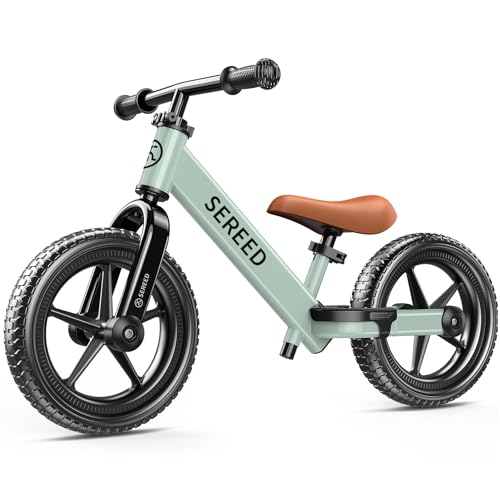
- Adjustable seat and handlebars
- Flat-free EVA tires
- Includes plate and stickers
Best For: Ages 2–5 who need room to grow
Best Feature-Rich Option
Gotrax KS12 Toddler Balance Bike

- Switchable LED lights and bell
- Adjustable seat and handlebar
- Flat-free 12-inch EVA wheels
Best For: Ages 2–5 who enjoy interactive riding features
Best Lightweight Starter

- Lightweight 3.3-pound aluminum frame
- Three-position seat for ages 12–24 months
- Glow wheels and enclosed-wheel design
Best For: First birthdays and younger beginner riders
Best for Everyday Use

- Tool-free seat and handlebar adjustments
- Airless, anti-slip EVA tires
- 110-pound maximum weight recommendation
Best For: Growing toddlers ages 2–3
Best Convertible Option

- Converts among six riding configurations
- Push handle, pedals, training wheels, and hand brake
- Folds and arrives mostly assembled
Best For: Families wanting one bike from 18–60 months
Best Adjustable Pick

- Adjustable seat and handlebars
- Puncture-resistant tires
- Customizable name plate
Best For: Toddlers ages 2 to 5 who need a bike that can grow with them
Best for Early Fun
Gamfeiny Colorful Lighting Balance Bike

- Battery-free glowing rear wheel
- Enclosed four-wheel design
- Lightweight 4.6-pound frame
Best For: Babies and young toddlers beginning to walk and ride
Best Simple Pick
Baby Balance Bike with Adjustable Seat

- Lightweight 3.5-pound design
- Adjustable 10.6–11.4-inch seat
- Enclosed wheels and limited steering
Best For: Babies ages 10 to 24 months and first-birthday gifting
Best First Birthday Pick – SEREED Baby Balance Bike
If you’re shopping for a balance bike for toddlers around their first birthday, the SEREED UD30 is designed specifically for early riding practice. Its pedal-free design, wide closed wheel, and lightweight frame support walking, steering, and balance development for children ages 12 to 24 months.
Best For: Beginners ages 1 to 2 who need a lightweight first bike for indoor or outdoor use.
Pros:
- Lightweight 3.5-pound aluminum frame is easy for children and parents to carry.
- Closed wheel and 135-degree turning limit are designed to support stable riding.
- Soft seat, non-slip handle, and floor-friendly EVA wheels improve comfort and versatility.
Cons:
- No brake, so riding depends on foot control.
- Its 12-to-24-month focus may make it less suitable for older toddlers.
The SEREED UD30 is a practical choice when you want a simple, portable introduction to riding. Its age-focused design and lightweight construction make it especially appealing as a first-birthday gift.
Best Stable Three-Wheel Design – Radio Flyer Steady Start Balance Bike
The Radio Flyer Steady Start is a balance bike for toddlers who benefit from extra stability while learning to walk, scoot, and steer. Its three-wheel layout stands on its own, while wide treaded wheels support quiet indoor and outdoor rides on paved surfaces.
Best For: Children ages 1 to 3 who are beginning balance practice on floors, sidewalks, or paved driveways.
Pros:
- Wide front wheel and dual rear wheels provide a self-standing, stable design.
- Tool-free adjustable padded seat helps accommodate growth.
- Quiet, treaded wheels are suitable for hardwood, carpet, cement, and paved paths.
Cons:
- At 7 pounds, it is heavier than some lightweight toddler models.
- Its recommended maximum weight is 42 pounds.
For families prioritizing stability over a traditional two-wheel setup, the Steady Start offers an approachable learning platform. The adjustable seat and quiet wheels also make it convenient for frequent play around the home and neighborhood.
Best Adjustable Fit – SEREED Toddler Balance Bike
The SEREED SR201 is a balance bike for toddlers ages 2 to 5 with a notably broad adjustment range. Tool-free seat and handlebar adjustments help the bike grow with your child, while its no-pedal setup builds balance and steering before the move to a pedal bike.
Best For: Growing toddlers who need an adjustable bike for indoor gliding and general outdoor terrain.
Pros:
- Seat adjusts from 11.8 to 16.5 inches and handlebars from 19.6 to 22.5 inches.
- Supports up to 110 pounds according to the supplied specifications.
- Flat-free EVA tires are quiet, anti-slip, and suitable for varied surfaces.
- Includes a customizable plate and stickers for personalization.
Cons:
- At 7.8 pounds in the listed bullet points, it is not the lightest option.
- No brakes are included.
The SR201 stands out for families who want a toddler balance bike that can accommodate changing height over time. Its adjustable components, tough frame, and flat-free tires make it a versatile option for extended early riding practice.
Best Feature-Rich Option – Gotrax KS12 Toddler Balance Bike
The Gotrax KS12 adds playful features to the basics of a balance bike for toddlers. Designed for ages 2 and up, it combines adjustable sizing, 12-inch EVA wheels, a bell, and switchable LED lights with a pedal-free format for practicing balance, walking, gliding, and steering.
Best For: Toddlers ages 2 to 5 who want adjustable comfort and engaging details for indoor or outdoor play.
Pros:
- Seat and handlebar adjustments help the bike grow with your child.
- 12-inch EVA wheels are durable and resistant to flats.
- LED lights, a bell, silicone handlebars, and a thicker seat add play value and comfort.
- Lightweight 8.6-pound design supports easier carrying.
Cons:
- No brake is included.
- Its listed minimum user height is 16 inches, so fit should be checked carefully.
The KS12 is a good fit when visual features and adjustability may encourage a hesitant rider to keep practicing. It also offers a straightforward setup with included tools and instructions, plus a one-year manufacturer’s warranty.
Best Lightweight Starter – Umatoll Baby Balance Bike
For families seeking a lightweight balance bike for toddlers, the Umatoll is designed for early riders ages 12–24 months. Its 1.5 kg aluminum frame, adjustable seat, and enclosed EVA wheels make it simple to use indoors or outdoors.
Best For: First birthdays and younger toddlers who need a compact, lightweight starter bike.
Pros:
- Very light 3.3-pound aluminum frame is easy for toddlers to push and stride.
- Three-position adjustable seat suits children ages 12–24 months.
- Glow rear wheels require no batteries and add visual interest.
- Enclosed wheels, a 135° steering limiter, and TPU grips provide added safety features.
Cons:
- Designed for a relatively narrow 12–24-month age range.
- Has no brakes, pedals, or drivetrain.
- Its 55-pound maximum weight recommendation is lower than some larger toddler bikes.
The Umatoll is a straightforward first balance bike focused on low weight, simple adjustment, and beginner-friendly safety details. The removable basket is a useful extra for carrying a small favorite toy.
Best for Everyday Use – SEREED Toddler Balance Bike
The SEREED is a balance bike for toddlers who need more room to grow. Tool-free seat and handlebar adjustments, airless EVA tires, and a sturdy carbon steel frame make it a practical choice for children ages 2–3.
Best For: Growing toddlers who need a wider adjustable range and a bike for indoor or paved outdoor riding.
Pros:
- Quick-release adjustments set the seat from 12.6 to 17.1 inches and handlebars from 19.6 to 22.5 inches.
- Airless EVA tires are noiseless, anti-slip, and cannot go flat.
- Carbon steel frame supports up to 110 pounds.
- Includes a customizable plate and stickers for personalization.
Cons:
- At 7.8 pounds, it is notably heavier than lightweight starter models.
- It has no brakes, so speed control comes from the rider and caregiver.
- The listed intended terrain is paved roads rather than challenging off-road surfaces.
With its generous adjustment range and durable, maintenance-free tires, the SEREED can remain useful as a child grows. Its no-pedal design is suited to practicing balance and steering before transitioning to a pedal bike.
Best Convertible Option – JMMD 6-in-1 Toddler Bike
The JMMD offers more than a basic balance bike for toddlers: its 6-in-1 design can shift from a parent-push trike to a tricycle, balance bike, or toddler bike. Adjustable components, training wheels, pedals, and a folding frame support multiple stages from 18 to 60 months.
Best For: Families wanting one adaptable bike for guided rides, balance practice, and early independent cycling.
Pros:
- 6-in-1 configuration accommodates ages 18–60 months.
- Includes a height-adjustable parent push handle, adjustable seat and handlebar, and seat extension rod.
- 12-inch puncture-proof rubber wheels, a hand brake, and a steering limiter support controlled riding.
- Folds for storage or transport and arrives 95% pre-assembled.
Cons:
- Its larger, multi-stage design may be more bike than a very young beginner needs.
- The 55-pound maximum weight recommendation is lower than the SEREED’s listed limit.
- Converting between configurations involves more components than a simple balance bike.
The JMMD is the most versatile option in this group, especially for parents who want guided control at first and independent riding later. Its foldability and included accessories also make it practical for family outings and storage.
Best Adjustable Pick – KRIDDO Toddler Balance Bike
If you want a balance bike for toddlers that can accommodate several stages of early riding, the KRIDDO model is designed for children from 24 months to 5 years. Its adjustable seat and handlebars, sturdy carbon-steel frame, and puncture-resistant tires make it a practical option for outdoor practice on grass and sidewalks.
Best For: Families seeking an adjustable first bike for toddlers ages 2 to 5.
Pros:
- Adjustable seat and handlebars help the bike grow with your child.
- Extra-thick, puncture-resistant tires are suited to grass and sidewalks.
- Includes a removable customizable plate with three sticker sets.
- Soft rubber grips, a soft PU seat, and a carbon-steel frame support comfortable riding.
Cons:
- At 6.6 pounds, it is heavier than the two baby-focused models in this roundup.
- Its recommended starting age of 24 months may be too high for younger first-birthday riders.
This is a strong choice when longevity and adjustability matter most. The 110-pound stated weight capacity and two-year manufacturer defect warranty add reassurance, while the personalized plate gives children an engaging way to make the bike their own.
Best for Early Fun – Gamfeiny Colorful Lighting Balance Bike
For a balance bike for toddlers in the 10- to 36-month range, the Gamfeiny model emphasizes simple handling and playful features. Its battery-free glowing rear wheel, four enclosed wheels, and lightweight 4.6-pound design make it convenient for early indoor or outdoor riding practice.
Best For: Babies and young toddlers learning balance, steering, and coordination.
Pros:
- Colorful rear wheel lights activate by spinning, with no batteries or charging required.
- Fully widened enclosed wheels help avoid foot pinching.
- A 135-degree steering limit is designed to help reduce side falling.
- Tool-free buckle assembly takes about three minutes, according to the supplied notes.
Cons:
- The 10- to 36-month age range is less suitable for older toddlers.
- The product is designed as an early riding toy rather than a longer-term bike for larger children.
The Gamfeiny stands out for first-ride appeal: lights add interest while the enclosed wheels and steering limit focus on a controlled introduction to riding. Its low weight also makes carrying it between play areas easier.
Best Simple Pick – Baby Balance Bike with Adjustable Seat
This balance bike for toddlers is built for babies ages 10 to 24 months who are beginning to explore riding. The 3.5-pound aluminum-alloy model combines an adjustable soft seat, enclosed wheels, a low center of gravity, and tool-free assembly for a lightweight first-bike experience indoors or on paved surfaces.
Best For: First-birthday gifts and very young riders who need a lightweight, adjustable starter bike.
Pros:
- Weighs 3.5 pounds, making it easy for children and parents to carry.
- Seat adjusts from 10.6 to 11.4 inches to suit different growth stages.
- Enclosed wheels and a 135-degree steering limit support a stable ride.
- Tool-free snap assembly and smooth EVA wheels suit quick setup and indoor use.
Cons:
- The recommended 10- to 24-month range limits its useful period as children grow.
- There are no brakes, so riding requires close adult supervision and an appropriate surface.
Choose this model when low weight and early-stage stability are priorities. Its compact age range, adjustable seat, and gift-ready packaging make it especially suited to a first birthday, while the listed CE, EN71, ASTM F963-23, and CPSIA testing claims provide additional product information for shoppers.
How We Picked the Best Balance Bike for Toddlers
We focused on the features that matter most during early riding: an age-appropriate fit, a low and stable design, manageable weight, comfortable controls, and durable wheels. We also considered whether each bike is adjustable enough to accommodate growth and whether its design suits indoor floors, sidewalks, parks, or mixed surfaces.
Convertible models received attention for families seeking longer-term value, while simple no-pedal bikes were evaluated for ease of use and beginner control. Extra features such as push handles, brakes, pedals, lights, folding frames, and kickstands can be useful, but they should not outweigh a secure fit and straightforward handling.
Quick Comparison
| Best For | Features to Look For |
|---|---|
| Babies around 10–24 months | Very low seat, lightweight frame, quiet wheels, easy steering |
| Toddlers ages 2–3 | Adjustable seat, stable wheelbase, comfortable grips |
| Growing children ages 2–5 | Higher adjustment range, durable tires, sturdy frame |
| Families wanting one bike longer | Convertible configurations, training wheels, pedals, or push handle |
| Indoor riding | Non-marking, quiet wheels and compact dimensions |
Key Buying Factors for a Balance Bike for Toddlers
Fit and Seat Height
Your child should be able to sit comfortably with both feet reaching the ground and knees slightly bent. A bike that is too tall is difficult to control, even if its listed age range appears suitable. Measure your child’s inseam and compare it with the manufacturer’s minimum seat height.
Weight and Stability
Choose a model your toddler can move, stop, and lift without help. A broad wheelbase can add stability, while an overly heavy frame may make turning and recovery harder for a beginner.
Wheels and Riding Surface
Quiet, non-marking wheels are convenient for indoor use and hard floors. Wider or air-filled tires may provide a smoother ride outdoors, but they can add weight and require more maintenance. Consider where the bike will be used most often.
Adjustability and Safety
Look for secure seat adjustments, rounded edges, grippy handlebars, and a steering range that prevents abrupt over-rotation. Always use a properly fitted helmet and supervise your child, especially near steps, streets, driveways, and uneven ground.
Who Should Buy Which Balance Bike for Toddlers?
Choose a lightweight baby bike with a low seat if your child is taking first rides around 1 year old. For most two-year-olds, an adjustable no-pedal model offers the clearest path to learning balance and steering. If your child is likely to use the bike for several years, prioritize a wider adjustment range and durable outdoor-ready wheels.
Families who want flexibility may prefer a convertible bike with a push handle, training wheels, or pedals. These designs can support different stages, though they may be heavier and more complex than a dedicated balance bike. For apartments or indoor play, select a compact model with quiet wheels and easy storage.